Why Pediatric Care Matters for Your Child’s Health
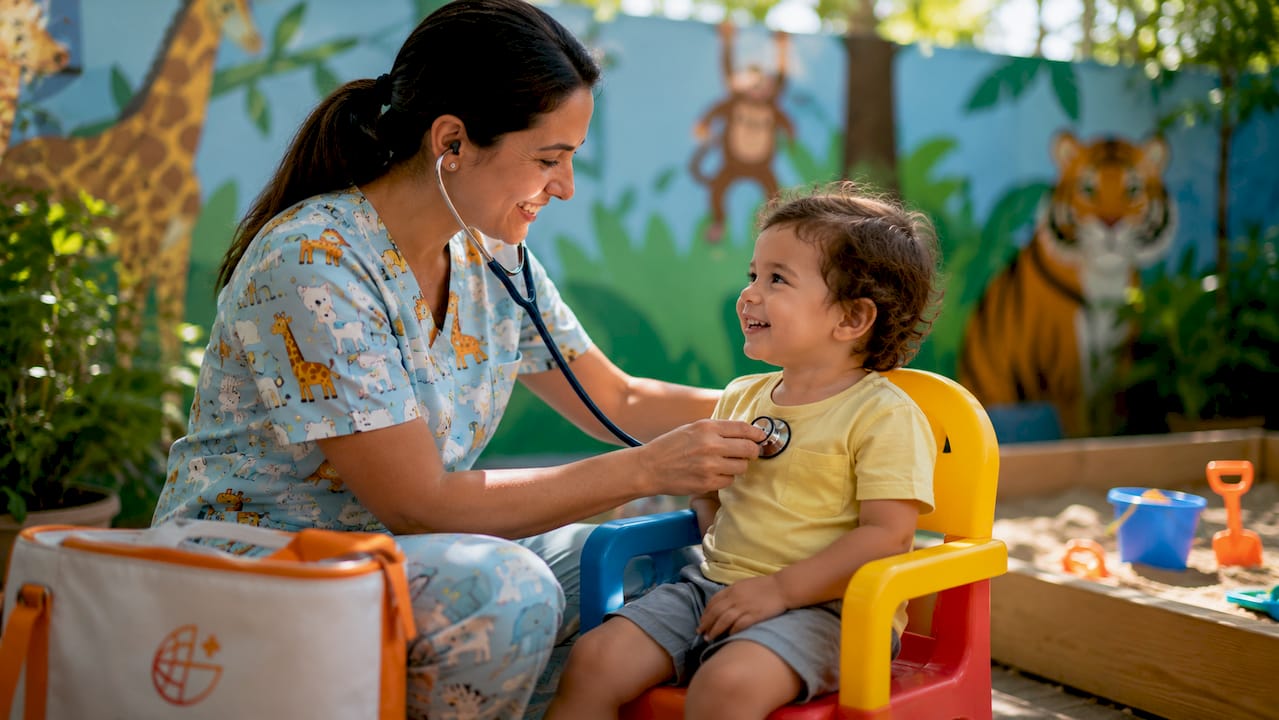
Pediatric care is the continuous, structured system of health monitoring and support that guides children from birth through adolescence. The importance of pediatric care goes far beyond treating illness. It covers physical growth, developmental milestones, emotional well-being, and disease prevention through a schedule of regular check-ups aligned with guidelines like the American Academy of Pediatrics (AAP) periodicity schedule. At GLOBALLMED Medical Center, families in Macau have access to a full range of child health services built around this preventive model, including immunizations, developmental assessments, and multidisciplinary therapies that support every stage of your child’s growth.
What are the key benefits of regular pediatric check-ups for children?
Regular pediatric check-ups are the foundation of preventive child health. The AAP periodicity schedule outlines well-child visits from infancy through adolescence, each designed to screen for age-appropriate concerns, update immunizations, and track growth. These visits catch problems before they become serious, which is the core value of preventive care.
Well-child visits serve several distinct purposes:
-
Immunizations: Vaccines are administered on a schedule proven to protect children at the most vulnerable points in their development.
-
Growth tracking: Height, weight, and head circumference are measured and plotted over time to identify trends that may signal nutritional or hormonal concerns.
-
Developmental screening: Pediatricians assess speech, motor skills, behavior, and social development at each visit.
-
Vision and hearing checks: These are often the first line of detection for sensory issues that can affect learning.
-
Parental guidance: Pediatricians address feeding, sleep, safety, and behavioral questions specific to your child’s age.
The well-child visit is also a team effort. Pediatricians and parents work together to focus on prevention, developmental milestones, and early identification of concerns. Your observations at home are just as clinically relevant as what the doctor measures in the office.
Pro Tip: Before each well-child visit, write down your top three to five concerns so you use appointment time on what matters most to you and your child.

How does developmental monitoring impact child outcomes?
Developmental monitoring is the ongoing process of observing how a child gains skills over time in five core areas: play, learning, speech and language, behavior, and movement. The CDC defines developmental monitoring as tracking milestone achievement trends across multiple visits rather than at a single point in time. This longitudinal view is what makes it so powerful.
Key milestones pediatricians watch for include:
-
By 12 months: Babbling, pointing, pulling to stand, and responding to their name.
-
By 24 months: Using two-word phrases, walking steadily, and showing interest in other children.
-
By 36 months: Speaking in short sentences, running, and engaging in pretend play.
-
By 5 years: Following multi-step instructions, drawing simple shapes, and playing cooperatively with peers.
-
School age: Reading readiness, attention span, emotional regulation, and fine motor control.
When milestones are missed, early identification and timely intervention prevent longer waits for services and reduce the risk of social and educational struggles later. A child who receives speech therapy at age two has a significantly better outcome than one who begins at age five. The CDC strongly advises early action when delays are identified during developmental monitoring. Waiting to see if a child “catches up” on their own is the most common and most costly mistake parents make.
Parents are active participants in this process. You know your child’s daily behavior better than any clinician. Sharing specific observations at each visit, such as changes in sleep, appetite, or social behavior, gives the pediatrician a fuller picture to work from.
Why are immunization schedules a critical part of pediatric health?
The AAP immunization schedule is built on decades of evidence showing that vaccines work best when given at specific ages. Timing matters because a child’s immune system responds most effectively to certain vaccines during defined developmental windows. Delaying vaccines leaves children exposed to preventable diseases during their most vulnerable period.
Vaccines also protect the wider community. When enough children are immunized, diseases like measles and whooping cough cannot spread easily, protecting newborns and immunocompromised children who cannot receive vaccines themselves.
A common concern among parents is what happens when a vaccine is missed. The answer is reassuring: missed vaccines do not require restarting the entire series. Pediatricians use catch-up protocols that maintain immunity protection without unnecessary repetition. If your child has fallen behind, contact your pediatrician to create a personalized catch-up plan.
Preventive visits also go beyond vaccines. Pediatricians use these appointments to provide age-appropriate guidance on nutrition, screen time, sun safety, dental hygiene, and injury prevention. Each visit adds a layer of protection that compounds over time.
Pro Tip: Keep a personal immunization record for your child and bring it to every visit. This helps your pediatrician confirm exactly which catch-up vaccines are needed without relying solely on clinic records.
How do multidisciplinary pediatric clinics support families?
A multidisciplinary pediatric clinic brings together specialists from different fields under one roof, so your child’s care is coordinated rather than fragmented. This model is especially valuable when a child has complex or overlapping needs, such as a developmental delay that affects both speech and motor skills.
The table below outlines the core services a multidisciplinary clinic provides and what each addresses:
| Service | What it addresses |
|---|---|
| Pediatric primary care | Routine check-ups, immunizations, growth monitoring |
| Speech therapy | Language delays, articulation, communication disorders |
| Occupational therapy | Fine motor skills, sensory processing, daily living tasks |
| Physical rehabilitation | Gross motor delays, injury recovery, posture and movement |
| Psychology | Behavioral concerns, anxiety, ADHD, emotional regulation |
| Dental care | Oral health, cavity prevention, early orthodontic assessment |
| Physiotherapy | Muscle strength, coordination, and physical development |
The benefit of this model is coordination. When a child’s pediatrician, speech therapist, and psychologist share information, care plans are aligned and nothing falls through the gaps. Pediatric primary care is vital beyond illness treatment. It provides age-appropriate prevention and developmental guidance as children grow, and a multidisciplinary setting amplifies that value by connecting every specialist involved in your child’s care.
Personalized care plans are the standard in this model. Rather than applying a generic protocol, clinicians tailor goals and timelines to each child’s specific strengths and challenges. This approach produces better outcomes and gives parents a clear, shared roadmap.
Why do back-to-school check-ups matter for a healthy school year?
A back-to-school medical check-up is one of the most practical steps you can take before the academic year begins. It confirms that your child is physically ready to learn, socially prepared to engage with peers, and up to date on all required immunizations. Many schools require health clearances before enrollment, making this visit both medically and administratively important.
A thorough pre-school check-up covers:
-
Immunization review: Confirming all vaccines are current and adding any required for school entry.
-
Vision and hearing screening: Undetected vision or hearing problems are among the leading causes of poor academic performance in early grades.
-
Growth and general health assessment: Checking weight, blood pressure, and physical development against age norms.
-
Behavioral and emotional readiness: Identifying anxiety, attention concerns, or social difficulties before they affect classroom performance.
-
Nutritional guidance: Reviewing diet and sleep habits that directly impact concentration and energy at school.
Addressing concerns before school starts gives families time to act. If a vision problem is found in august, glasses can be fitted before the first day of class. If a behavioral concern is flagged, a referral to a psychologist can be made before the child falls behind. The routine health screening approach applied at these visits is the same principle that drives long-term wellness across all age groups.
Bring your child’s immunization record, any previous health reports, and a list of current medications to the appointment. This saves time and helps the clinician build a complete picture quickly.
Key Takeaways
Consistent pediatric care, from routine check-ups to developmental monitoring and timely immunizations, is the single most effective way to protect your child’s health and future.
| Point | Details |
|---|---|
| Regular check-ups prevent illness | AAP well-child visits catch concerns early and keep immunizations on schedule. |
| Developmental monitoring saves time | Early identification of delays leads to faster intervention and better outcomes. |
| Missed vaccines have catch-up plans | Children do not need to restart vaccine series; pediatricians create personalized schedules. |
| Multidisciplinary care fills gaps | Coordinated services like speech therapy, psychology, and physiotherapy address overlapping needs. |
| Back-to-school visits prepare children | Pre-school check-ups confirm health, vision, hearing, and emotional readiness before the year begins. |
Pediatric care is a long-term investment, not a one-time visit
After years of observing how families engage with child health services, one pattern stands out clearly. Parents who treat pediatric visits as a routine part of family life, rather than something triggered only by illness, consistently report fewer surprises and better outcomes for their children. The relationship built with a trusted pediatrician over years is genuinely irreplaceable.
What I find most undervalued is the developmental monitoring piece. Parents often assume that if a child seems happy and active, everything is fine. But developmental monitoring tracks trajectory over time, not just a snapshot. A child can appear to be thriving while quietly falling behind in speech or fine motor skills in ways that only become visible when compared against a longitudinal record.
The other shift worth making is moving from reactive to preventive thinking. Most families visit a pediatrician when something is wrong. The families who benefit most are the ones who show up when nothing is wrong, because that is when the groundwork for early detection gets laid.
Pediatric care also evolves as children grow. The needs of a two-year-old are nothing like those of a twelve-year-old. A good pediatric team adjusts its focus at every stage, from feeding and sleep in infancy to mental health and academic pressure in adolescence. Families who stay engaged through all those stages give their children a measurable advantage.
GLOBALLMED Medical Center
GLOBALLMED Medical Center’s pediatric services for Macau families
GLOBALLMED Medical Center is Macau’s largest private outpatient clinic, offering a full range of child health services built around prevention, early detection, and personalized care.

The clinic’s pediatric team provides routine check-ups aligned with the AAP schedule, immunizations, and developmental assessments for children at every stage. Complementary services including speech therapy, physical rehabilitation, occupational therapy, physiotherapy, psychology, and dental care are available under one roof, so your child’s care plan stays coordinated. Families can also access pediatric and multidisciplinary care through the medical clinic department, which supports both routine and complex children’s healthcare needs. Contact GLOBALLMED Medical Center to schedule a check-up or request a personalized care plan for your child.
FAQ
What is pediatric care and why does it matter?
Pediatric care is the continuous health monitoring and medical support provided to children from birth through adolescence. It covers physical growth, developmental milestones, immunizations, and early detection of health concerns.
How often should my child have a well-child visit?
The AAP recommends well-child visits at specific intervals from newborn through age 21, with more frequent visits in the first two years of life. Each visit includes age-appropriate screenings, vaccines, and developmental assessments.
What happens if my child misses a vaccine?
Missed vaccines do not require restarting the immunization series. Your pediatrician will create a catch-up schedule that maintains protection without repeating doses already given.
When should I be concerned about a developmental delay?
Contact your pediatrician if your child is not meeting key milestones for their age in speech, movement, play, or behavior. The CDC advises that early action on delays leads to significantly better outcomes than waiting.
What should I bring to a back-to-school check-up?
Bring your child’s immunization record, any previous health or developmental reports, a list of current medications, and a written list of your top concerns. This helps the pediatrician complete a thorough assessment efficiently.