Why Outpatient Clinics Attract Medical Tourists in 2026

Outpatient clinics are the dominant choice for medical tourists worldwide, defined by their ability to deliver same-day procedures, lower costs, and specialized care without hospital admission. Outpatient clinics accounted for 87.7% of foreign patient visits in South Korea in 2025, with dermatology leading as the top service category. That single statistic reveals the core of why outpatient clinics attract medical tourists: patients want targeted, affordable care that fits around their travel plans, not a hospital stay. The industry term for this model is ambulatory care, and its growth is reshaping how international patients plan their healthcare abroad.
Why outpatient clinics attract medical tourists: the economic case
Cost is the primary driver behind the global rise in outpatient medical travel. Outpatient programs in Bangkok cost about 60% less than comparable Western packages. That gap exists because outpatient facilities carry lower overhead than full hospitals. They require fewer overnight staff, no inpatient wards, and less administrative infrastructure.
The financial advantages go beyond the procedure itself. Patients who receive same-day care and discharge spend less on accommodation, lose fewer days of work, and avoid the extended travel costs that inpatient stays create. A patient flying from Europe for a dermatology treatment in Seoul can complete the procedure and return home within 48 hours. That efficiency is impossible in a traditional hospital setting.
-
Lower facility costs: Outpatient clinics pass savings directly to patients through reduced overhead.
-
Same-day discharge: Patients minimize hotel nights and extended travel budgets.
-
Reduced infection risk: Same-day procedures lower exposure to hospital-acquired infections, a real concern when traveling abroad.
-
Insurance alignment: Many insurers reimburse outpatient procedures at higher rates than elective inpatient stays, depending on the policy.
-
Faster return to normal life: Shorter recovery windows mean patients can combine care with leisure without sacrificing either.
Pro Tip: Before booking any outpatient procedure abroad, request an itemized cost estimate from the clinic. Compare it against your home-country equivalent to calculate your actual savings after travel costs.
The shift toward value-based care is accelerating this trend. Minimally invasive techniques now allow complex procedures to be performed safely in ambulatory settings. What once required a three-day hospital stay can now be completed in a few hours, making outpatient care the most cost-effective model for both patients and providers.
Which outpatient treatments are most popular among medical tourists?
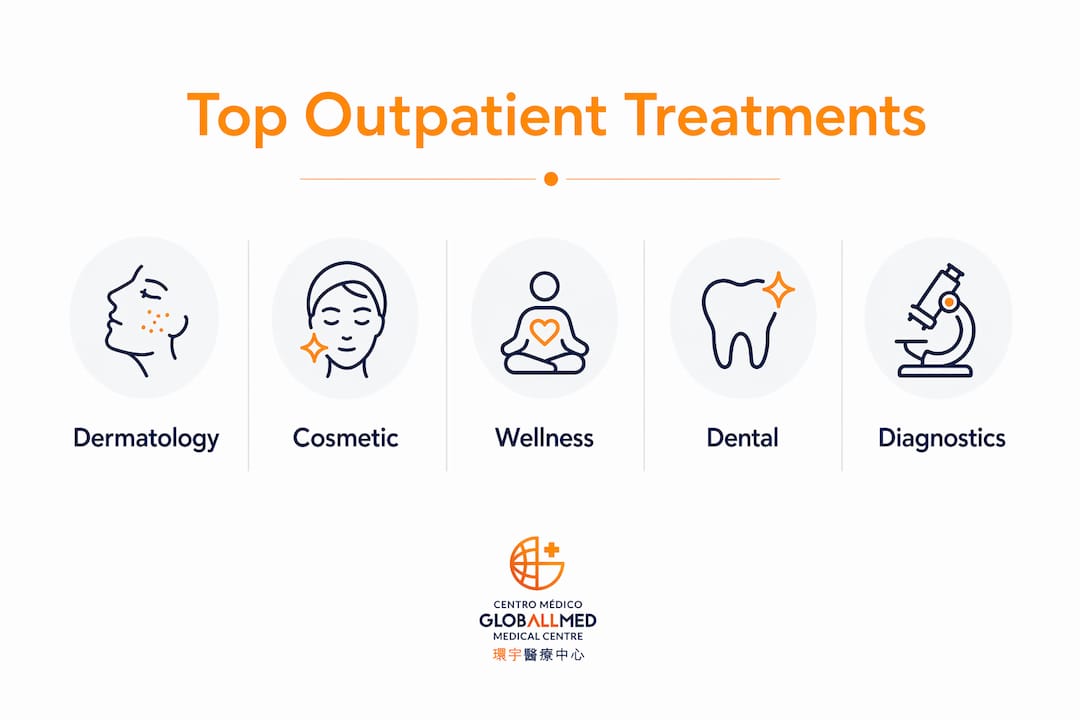
Dermatology and cosmetic services dominate outpatient medical tourism by volume. Dermatology comprises 67% of Busan’s foreign medical tourism volume, a figure that reflects a global pattern. Patients travel specifically for skin treatments, anti-aging procedures, and aesthetic services that are either unavailable at home or priced out of reach.
Medical tourism growth is driven more by retail outpatient care, such as beauty services integrated with travel, than by complex hospital procedures. This shift toward consumer-driven, elective outpatient care has reshaped which specialties attract the most international patients.
| Treatment category | Why tourists choose it | Key destinations |
|---|---|---|
| Dermatology and aesthetics | High demand, short procedure time, visible results | South Korea, Thailand, Macau |
| Longevity and wellness check-ups | Preventive focus, no recovery needed | Thailand, Singapore, Japan |
| Minimally invasive cosmetic surgery | Outpatient protocols, faster healing | South Korea, Brazil, Macau |
| Dental care | Significant cost savings versus Western pricing | Hungary, Mexico, Thailand |
| Diagnostic and health screening | Comprehensive panels at low cost | Singapore, Macau, Malaysia |
Longevity and wellness check-ups are growing rapidly as elective outpatient procedures, particularly in Thailand. Patients book full-body diagnostics, hormone panels, and preventive screenings as part of a health-focused trip. These procedures require no recovery time and deliver results that patients can act on immediately with their home physicians.
Minimally invasive elective surgeries are also shifting to outpatient protocols at a fast pace. Procedures like laser eye correction, joint injections, and minor reconstructive work now routinely happen in ambulatory settings. For medical tourists, this means accessing specialized surgical expertise without the complexity of inpatient hospital coordination.
How do outpatient clinics combine convenience and lifestyle for medical tourists?
Outpatient clinics have built a model that blends medical care with the travel experience itself. Clinics integrate treatments with resort-style recovery, wellness packages, and concierge services to create what patients now call a recovery vacation. This combination is not incidental. It is a deliberate strategy that makes the medical trip feel worthwhile beyond the clinical outcome.
The practical benefits of this model are significant for international patients:
-
Concierge coordination: Many outpatient clinics assign a patient coordinator who manages airport transfers, hotel bookings, and appointment scheduling as a single package.
-
Wellness add-ons: Patients pair dermatology or diagnostic appointments with spa treatments, nutrition consultations, or fitness programs at the same facility or nearby partner venues.
-
English-speaking staff: Outpatient clinics in medical tourism markets prioritize English-speaking support teams, reducing communication barriers that make hospital visits stressful for foreign patients.
-
Digital health access: Clinics increasingly offer telemedicine follow-ups, digital records, and online booking, so patients can manage their care from home before and after the trip.
-
Secondary city options: Smaller clinics in secondary cities attract patients seeking personalized care, shorter wait times, and competitive pricing compared to congested flagship hospitals in major capitals.
Pro Tip: Ask your clinic whether they offer a patient coordinator service before you book. A good coordinator can cut your planning time in half and prevent logistical problems that derail the trip.
The lifestyle integration factor also drives repeat visits. Patients who have a positive experience combining care with travel return for follow-up treatments and recommend the destination to others. This word-of-mouth effect is a major reason why cities like Busan, Bangkok, and Macau have built strong reputations as outpatient medical tourism hubs. For patients seeking outpatient services in Macau, the combination of clinical quality and a world-class travel destination creates exactly this kind of appeal.
What precautions should medical tourists take when choosing outpatient clinics abroad?
Choosing the wrong clinic abroad carries real financial and health risks. Many travel insurance plans do not cover complications from elective outpatient procedures abroad. Patients who experience post-procedure complications after returning home often face full out-of-pocket costs for follow-up care. Specialized medical travel insurance is the only reliable protection.
-
Verify accreditation: Select clinics with internationally recognized accreditation, such as Joint Commission International (JCI) or equivalent national standards. Accreditation signals that the facility meets defined safety and quality benchmarks.
-
Confirm what your insurance covers: Contact your insurer before booking. Ask specifically about elective outpatient procedures performed outside your home country and any complications that arise after you return.
-
Plan post-procedure care: Arrange follow-up care with your home physician before you travel. Bring complete medical records and procedure documentation from the clinic.
-
Check visa and entry requirements: Some countries require specific documentation for medical visits. Confirm requirements well in advance to avoid delays.
-
Research the clinic’s track record: Look for verified patient reviews, published outcome data, and staff credentials. Understanding medical standards for outpatient care at your destination is a non-negotiable first step.
“Medical tourists are urged to carefully review travel insurance and post-procedure care plans due to coverage gaps in standard policies.”
The precaution that most patients overlook is the follow-up care gap. A procedure may go perfectly abroad, but if a complication develops two weeks later at home, the patient needs a local physician who understands what was done. Sharing complete clinical documentation with your home doctor before you travel closes this gap before it becomes a problem. Reviewing your elective procedure options in detail with both your home and destination physicians is the most effective preparation strategy.
Key Takeaways
Outpatient clinics attract medical tourists because they deliver affordable, same-day specialized care that patients can combine with travel, at a fraction of Western inpatient costs.
| Point | Details |
|---|---|
| Cost advantage is decisive | Outpatient programs abroad can cost up to 60% less than equivalent Western packages. |
| Dermatology leads by volume | Skin and cosmetic services account for the majority of outpatient medical tourism visits globally. |
| Lifestyle integration drives loyalty | Clinics that combine care with wellness and concierge services generate repeat visits and referrals. |
| Insurance gaps are a real risk | Standard travel insurance rarely covers complications from elective outpatient procedures abroad. |
| Accreditation is non-negotiable | Internationally accredited clinics provide the safety benchmarks international patients need. |
The outpatient model is rewriting how patients think about healthcare travel
The most underappreciated shift in medical tourism is not the cost savings. It is the change in patient expectations. Patients no longer accept the idea that quality care requires a hospital admission, a long recovery, or a two-week absence from work. Outpatient clinics have proven that wrong, and patients have noticed.
What I find most telling is the South Korea data. Over 2 million foreign patients visited South Korean medical institutions in 2025, and the vast majority went to clinics, not hospitals. They went for skin treatments, wellness check-ups, and aesthetic procedures. That is not a niche trend. That is the mainstream of medical tourism in 2026.
The clinics winning in this space share one quality: they treat the patient’s time as the most valuable resource in the transaction. Same-day procedures, concierge coordination, English-speaking staff, and digital follow-up are not luxury add-ons. They are the baseline expectation of any international patient choosing to spend money and travel time on care abroad.
The risk I see most often ignored is the post-procedure gap. Patients plan the trip meticulously and forget to plan the recovery at home. That is where complications become expensive and stressful. The clinics that brief patients thoroughly on follow-up care and provide complete documentation are the ones that earn long-term trust and repeat business.
Outpatient care abroad is genuinely one of the most accessible ways to close the gap between what patients need and what their home healthcare system can deliver affordably. The key is choosing the right clinic, not just the right destination.
— IGHS
GLOBALLMED Medical Center: outpatient care built for international patients
GLOBALLMED Medical Center is Macau’s largest private outpatient clinic, designed specifically to serve international patients seeking high-quality care in one of Asia’s most accessible destinations.
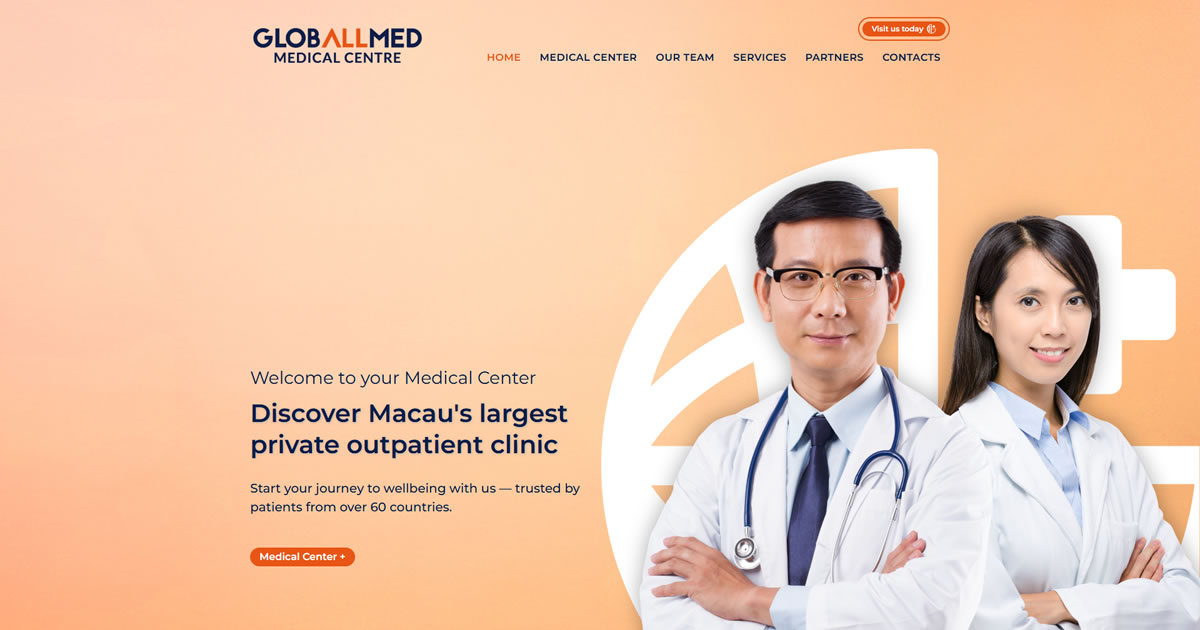
GLOBALLMED Medical Center offers a full range of outpatient services across medical, cosmetic, and wellness specialties, all delivered by a qualified clinical team that meets international standards. The center supports international patients with English-speaking staff, streamlined appointment booking, and a care model built around same-day access. Whether you are visiting Macau for a health screening, a cosmetic procedure, or a wellness consultation, GLOBALLMED Medical Center provides the clinical quality and patient support that medical tourists expect from a world-class outpatient facility.
FAQ
Why do medical tourists prefer outpatient clinics over hospitals?
Outpatient clinics offer same-day procedures, lower costs, and faster access without the complexity of hospital admission. Patients can complete treatment and return to their travel plans the same day.
What outpatient treatments are most popular among medical tourists?
Dermatology, cosmetic procedures, wellness check-ups, dental care, and diagnostic screenings are the most requested outpatient services. Dermatology alone accounts for 67% of foreign medical tourism volume in cities like Busan.
How much can medical tourists save at outpatient clinics abroad?
Outpatient programs in destinations like Bangkok cost approximately 60% less than equivalent Western packages. Actual savings depend on the procedure, destination, and individual travel costs.
Is travel insurance enough to cover outpatient procedures abroad?
Standard travel insurance typically does not cover complications from elective outpatient procedures performed abroad. Patients should purchase specialized medical travel insurance before booking any procedure.
How do I choose a safe outpatient clinic abroad?
Select clinics with internationally recognized accreditation such as Joint Commission International (JCI) certification. Verify staff credentials, read verified patient reviews, and confirm that your home physician can support follow-up care after you return.