Anti-Aging Skincare Treatment: What It Is and How It Works
Anti-aging skincare treatment is defined as a combination of daily topical regimens and periodic clinical procedures designed to prevent, reduce, and repair visible signs of skin aging. The most effective protocols are built on two clinically proven foundations: broad-spectrum sunscreen SPF 30+ and prescription retinoids. Together, these address the primary drivers of skin aging, including wrinkles, uneven texture, pigmentation, and collagen loss. Clinical procedures such as botulinum toxin, dermal fillers, and fractional laser resurfacing extend what topical products cannot achieve on their own. Understanding this layered approach is the first step toward making informed, evidence-based decisions about your skin.
What is anti-aging skincare treatment and which daily products matter most?
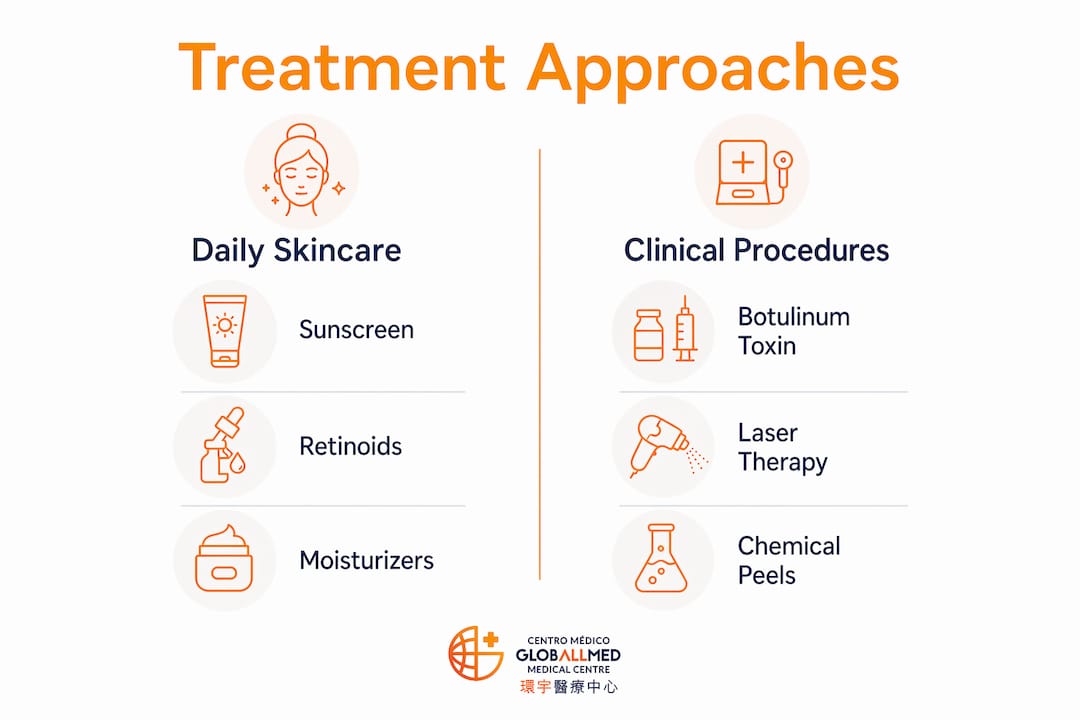
Daily topical products form the non-negotiable base of any anti-aging skincare routine. Without consistent use of proven agents, clinical procedures deliver diminishing returns over time.
Broad-spectrum sunscreen is the single most impactful anti-aging product available. UV exposure causes collagen breakdown, pigmentation changes, and impaired skin repair. Applying SPF 30 or higher every morning, regardless of weather, prevents the extrinsic aging that accounts for most visible skin damage.
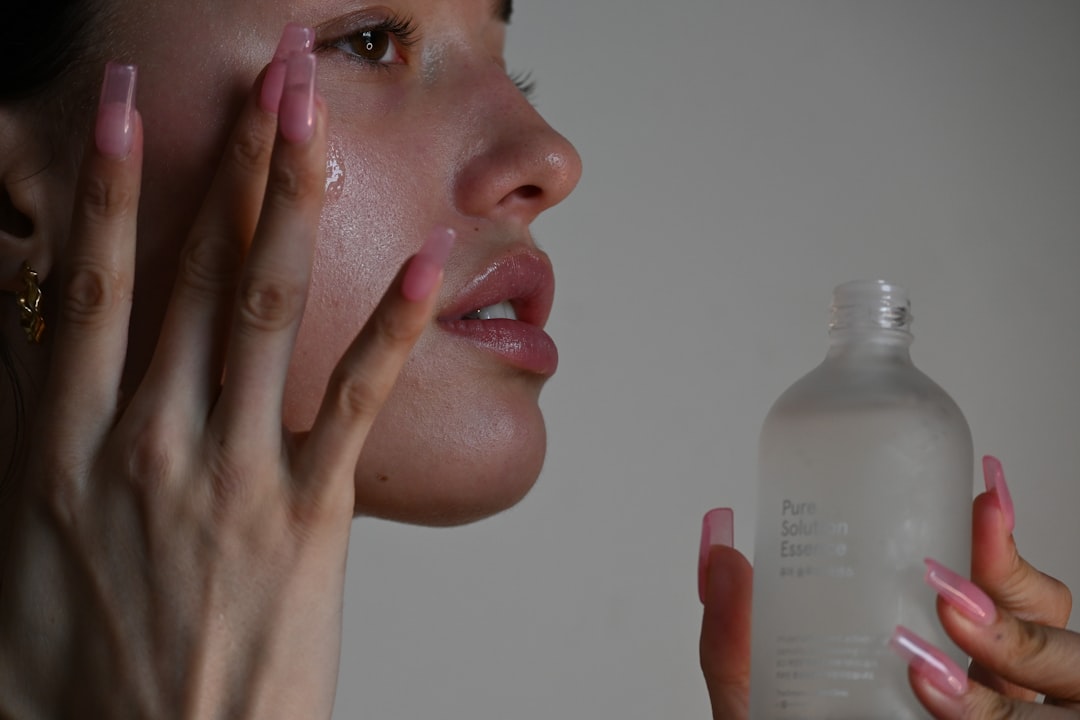
Retinoids are the most clinically validated corrective agents in dermatology. They work by stimulating collagen production and accelerating cell turnover, which reduces fine lines and improves skin texture. Visible improvements from retinoid use typically require 3–6 months of continuous application, with the best results appearing at 12 months. Prescription tretinoin delivers the strongest effect, while adapalene and over-the-counter retinol offer milder alternatives for patients with sensitive skin.
Additional topical agents that support the regimen include:
-
Antioxidants such as vitamin C, which neutralize free radical damage and brighten uneven skin tone
-
Alpha hydroxy acids (AHAs) like glycolic acid, which exfoliate the surface layer and improve texture
-
Niacinamide, which reduces redness and supports the skin barrier
-
Peptides, which signal collagen synthesis but carry weaker clinical evidence than retinoids
Cosmeceuticals occupy a gray area in this category. The FDA classifies products strictly as cosmetics or drugs. Cosmeceuticals lack standardized regulatory definitions and FDA drug approval, so marketing claims about anti-aging benefits often exceed the clinical evidence. Patients should evaluate ingredient lists and peer-reviewed data rather than packaging language.
Pro Tip: Start retinoids at the lowest available concentration and apply every other night for the first four weeks. This titration approach reduces irritation and significantly improves long-term adherence.
How do clinical procedures complement daily anti-aging skincare treatments?
Topical products address surface-level changes effectively. Clinical procedures are required for structural concerns that no cream or serum can resolve.
-
Botulinum toxin (neuromodulators): Botulinum toxin treats dynamic wrinkles caused by repetitive facial muscle movement, including forehead lines, crow’s feet, and frown lines. Topical products are ineffective against these wrinkles because the underlying cause is muscular, not structural. Effects last 3–4 months, after which maintenance injections are required.
-
Dermal fillers and biostimulators: Fillers restore volume in areas affected by fat loss and bone resorption, such as the cheeks, nasolabial folds, and lips. Biostimulators like poly-L-lactic acid work differently by triggering the body’s own collagen production over several months. Dermal fillers last between 6 and 18 months depending on the product used and the treatment area.
-
Fractional laser resurfacing: This procedure targets fine lines, pigmentation, and skin texture by creating controlled micro-injuries that stimulate collagen remodeling. Fractional laser also reduces precancerous sun damage accumulation and is recommended 1–3 sessions per year based on skin condition and goals.
-
Chemical peels: Superficial to medium-depth peels use acids such as trichloroacetic acid (TCA) or glycolic acid to remove damaged outer layers. They improve pigmentation, fine lines, and overall skin tone with minimal downtime at superficial depths.
-
Intense Pulsed Light (IPL): IPL targets pigmentation and vascular irregularities caused by sun damage. It is most effective for patients with fair to medium skin tones presenting with sunspots and diffuse redness.
No single procedure addresses all aging concerns. Combination protocols tailored to individual patient concerns consistently achieve better outcomes than any single treatment. A patient with volume loss, dynamic wrinkles, and pigmentation will require a different protocol than one presenting primarily with texture irregularities.
Pro Tip: Ask your clinician to separate realistic outcomes from ideal outcomes during your consultation. Downtime, bruising risk, and the number of sessions required are all factors that affect whether a procedure fits your schedule and goals.
What factors influence the effectiveness of anti-aging skincare treatments?
Skin aging has two distinct causes, and understanding both is necessary for setting realistic expectations.
Intrinsic aging is genetically programmed. It produces gradual changes in skin thickness, elasticity, and moisture retention regardless of external factors. Intrinsic aging cannot be prevented, only managed.
Extrinsic aging is driven primarily by UV radiation, with secondary contributions from pollution, smoking, and poor nutrition. UV exposure is responsible for the majority of visible aging signs, including deep wrinkles, pigmentation, and loss of skin firmness. This is why daily sun protection is the highest-return intervention available.
The distinction between static and dynamic lines also determines which treatments apply:
| Line type | Cause | Best treatment approach |
|---|---|---|
| Dynamic lines | Muscle movement (expression) | Botulinum toxin injections |
| Static lines | Collagen loss, volume depletion | Retinoids, fillers, laser resurfacing |
| Pigmentation | UV damage, inflammation | Sunscreen, AHAs, IPL, chemical peels |
| Texture irregularities | Cell turnover slowdown | Retinoids, fractional laser, peels |
Patient adherence is the most underestimated factor in treatment outcomes. Retinoids require months of consistent use before visible results appear. Sunscreen must be applied daily, not only on sunny days. Patients who treat clinical procedures as one-time fixes and neglect their daily regimen consistently see faster regression of results.
Long-term skin health follows the same principle as chronic disease management: sustained habits outperform intensive but irregular interventions. Patients who commit to a structured regimen and schedule regular skin evaluations maintain results significantly longer than those who treat aging reactively.
How to build a sustainable anti-aging skincare routine
A sustainable anti-aging skincare routine integrates daily protective habits with periodic clinical treatments, adjusted over time based on changing skin needs.
The core daily routine should include:
-
Morning: Broad-spectrum SPF 30+ sunscreen applied as the final step after moisturizer. Antioxidant serums, particularly vitamin C, applied before SPF to reinforce UV protection.
-
Evening: Retinoid application on clean, dry skin. Begin with every other night for the first 4 weeks, then advance to nightly use as tolerance develops.
-
Ongoing: Gentle cleanser twice daily, a hydrating moisturizer to support the skin barrier, and avoidance of known irritants during retinoid acclimation.
Clinical treatments should be scheduled based on specific concerns rather than a fixed calendar. A patient managing early dynamic wrinkles may benefit from botulinum toxin every 3–4 months. One focused on pigmentation and texture may prioritize two fractional laser sessions per year plus a monthly superficial peel.
Periodic reassessment with a qualified clinician is necessary because skin changes with age, season, and lifestyle. A protocol effective at 35 may require adjustment at 45. Follow-up care is not optional in anti-aging management. It is the mechanism by which protocols stay aligned with actual skin condition rather than assumptions made at the initial consultation.
Cost and convenience are real factors. Prescription tretinoin is among the most cost-effective anti-aging agents available. Patients who prioritize evidence-based products over heavily marketed cosmeceuticals typically achieve better results at lower cost.
Key Takeaways
The most effective anti-aging skincare treatment combines daily broad-spectrum SPF 30+ sunscreen and retinoids with targeted clinical procedures, adjusted over time based on individual skin concerns and consistent professional follow-up.
| Point | Details |
|---|---|
| Sunscreen is the foundation | Daily SPF 30+ prevents UV-driven collagen breakdown, the primary cause of visible aging. |
| Retinoids require patience | Visible results take 3–6 months; full benefits appear at 12 months with consistent use. |
| Clinical procedures fill topical gaps | Botulinum toxin and fillers address structural concerns that no topical product can correct. |
| Combination protocols outperform single treatments | Tailoring sunscreen, retinoids, and procedures to individual concerns delivers the best outcomes. |
| Long-term adherence determines results | Patients who maintain daily regimens and schedule follow-up evaluations sustain results significantly longer. |
The case for consistency over complexity
The most common mistake I see patients make is investing in advanced clinical procedures while neglecting the daily regimen that makes those procedures last. Botulinum toxin and fractional laser deliver real, measurable results. But without daily sunscreen and a retinoid, the skin continues accumulating UV damage between appointments, and results fade faster than they should.
The second mistake is over-relying on cosmeceutical marketing. The skincare market is saturated with products claiming clinical-grade results without the regulatory classification to support those claims. Prescription tretinoin, which costs a fraction of most luxury serums, has decades of peer-reviewed evidence behind it. Most high-priced “anti-aging” creams do not.
My honest view is that the patients who achieve the best long-term outcomes are not the ones who spend the most. They are the ones who commit to the fundamentals, work with qualified clinicians, and treat their skin as a long-term investment rather than a problem to fix once. The science is clear on what works. The challenge is following through consistently, month after month.
— IGHS
GLOBALLMED Medical Center’s approach to anti-aging skincare
GLOBALLMED Medical Center, Macau’s largest private outpatient clinic, offers personalized anti-aging consultations through its Beauty, Wellness, and Wellbeing Department. The clinical team provides evidence-based treatment planning that integrates daily skincare guidance with targeted procedures including botulinum toxin, dermal fillers, and laser therapies.

Every treatment plan at GLOBALLMED Medical Center is built around individual skin concerns, not generic protocols. Patients receive structured follow-up care to ensure their regimen evolves alongside their skin. To schedule a consultation and receive a personalized anti-aging treatment plan, contact GLOBALLMED Medical Center directly through the appointment booking portal.
FAQ
What is the most important anti-aging skincare ingredient?
Prescription tretinoin and broad-spectrum SPF 30+ sunscreen have the strongest clinical evidence for preventing and reducing signs of aging. These two form the universal foundation of every effective anti-aging protocol.
How long does it take to see results from anti-aging treatments?
Retinoids typically produce visible improvements after 3–6 months of consistent use, with full results at 12 months. Clinical procedures like botulinum toxin show results within days, while fractional laser improvements develop over several weeks.
Can topical products replace clinical procedures?
Topical products cannot treat dynamic wrinkles caused by facial muscle movement. Botulinum toxin is required for expression lines, while fillers address volume loss that no cream can correct.
Are cosmeceuticals as effective as prescription anti-aging products?
Cosmeceuticals are classified as cosmetics by the FDA and lack the regulatory approval required of drugs. Prescription retinoids carry significantly stronger clinical evidence than most over-the-counter anti-aging products.
How often should clinical anti-aging treatments be repeated?
Botulinum toxin requires maintenance every 3–4 months. Dermal fillers last 6–18 months depending on the product. Fractional laser is typically recommended 1–3 sessions per year based on individual skin condition and goals.