
How to Manage Prescriptions Abroad Travel: 2026 Guide
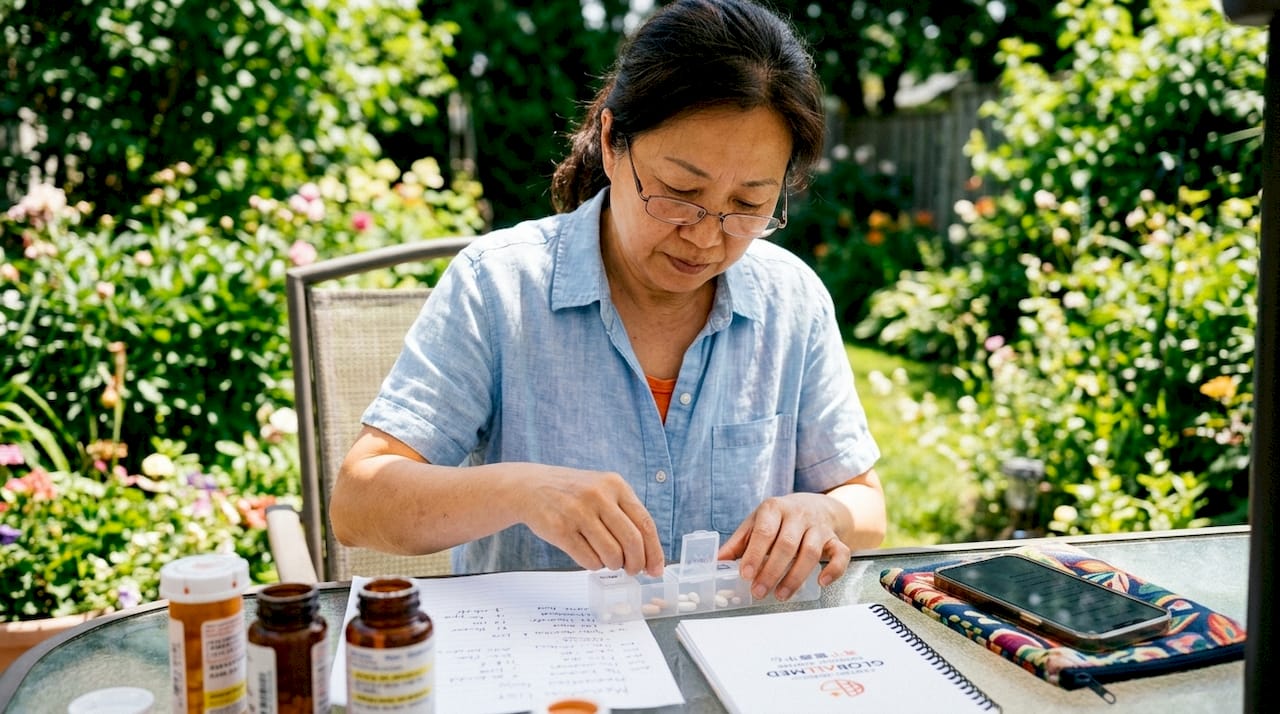
Managing prescriptions abroad during international travel is defined as the process of preparing, carrying, documenting, and refilling your medications in compliance with both airline security rules and destination country regulations. Travelers who skip this preparation face confiscated medications, treatment gaps, and legal complications at customs. The Transportation Security Administration (TSA), the U.S. Food and Drug Administration (FDA), and international customs authorities each impose distinct requirements that affect how you pack and declare your medications. This guide covers every step from pre-departure planning to obtaining refills at your destination, including how outpatient clinics like GLOBALLMED Medical Center support travelers who need local prescription assistance.
How to manage prescriptions abroad: preparation before you leave
The single most important rule for managing medication while traveling is to start planning 2–4 weeks before departure. That window gives you time to research destination-specific import rules, obtain permits for controlled substances, and gather the documentation customs officers and foreign pharmacies will require.
Build your medication documentation file
A complete documentation file contains four items: your original pharmacy-labeled containers, a comprehensive medication list, copies of your prescriptions, and a formal physician travel letter. The physician letter is the most critical document. It must include your full name, date of birth, diagnosis, the generic and brand name of each medication, dosage, and the treating physician’s contact information. A detailed doctor’s letter is the single most valuable document you can carry across borders and into emergency rooms abroad.
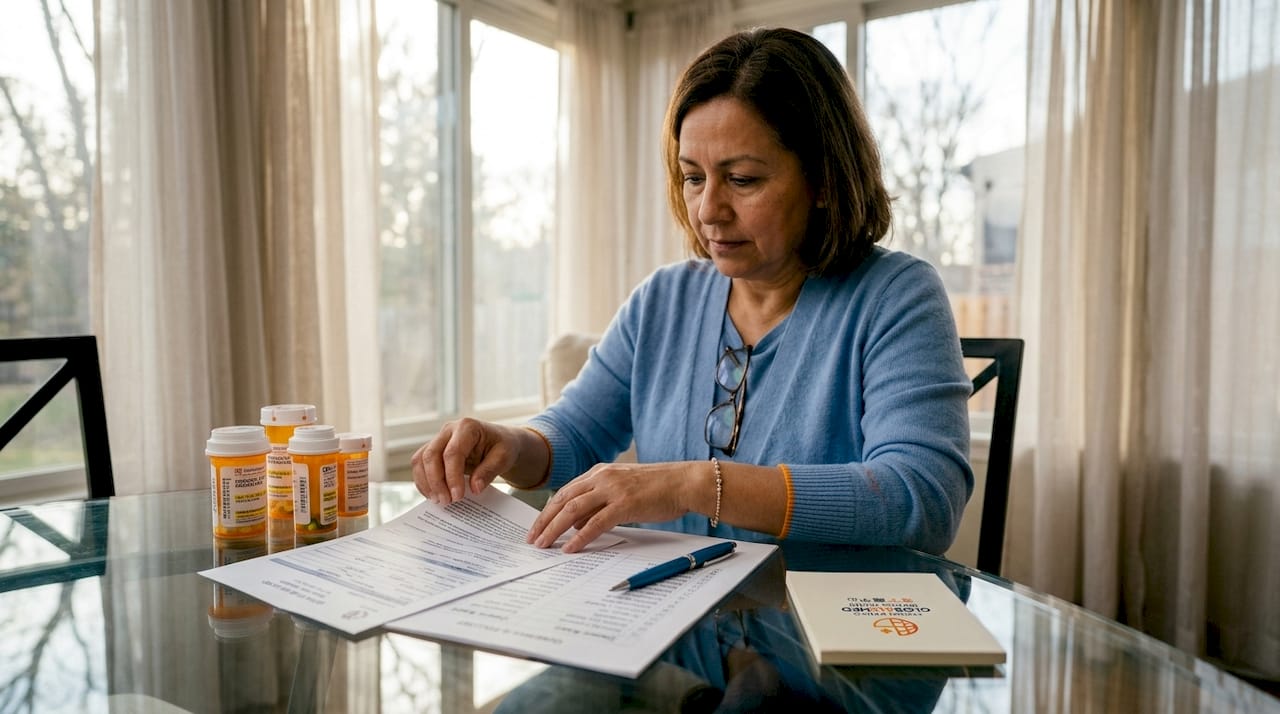
Your medication list should record both the generic name and the brand name for every drug. Brand names differ by country, so listing the generic name prevents confusion at foreign pharmacies. Keep digital copies of all documents in a secure cloud folder and carry printed copies in your bag.
Calculate your supply and buffer stock
Pack enough medication for the full duration of your trip plus an additional 3–7 days as a buffer for delays, lost luggage, or extended stays. Travelers frequently underestimate this buffer and run short during flight cancellations or unexpected itinerary changes.
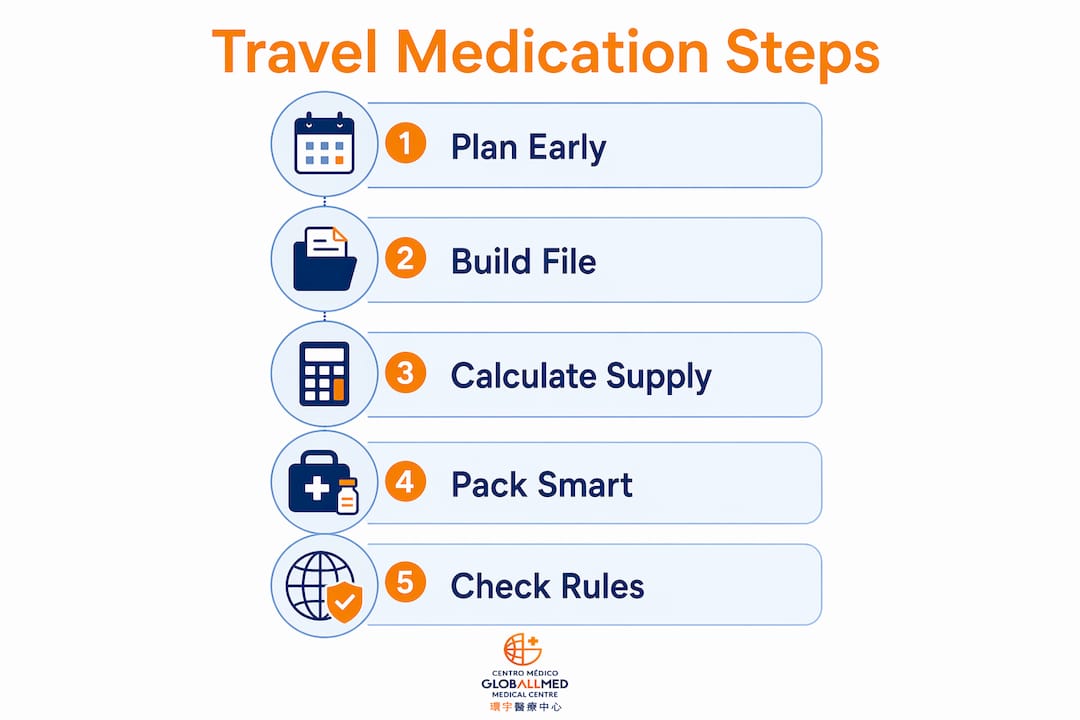
For trips longer than 30 days involving controlled substances, advance import permits from the destination country are often legally required. Contact the destination country’s embassy or consulate at least four weeks before departure to confirm permit requirements and processing times.
Pro Tip: Request a pre-travel medical consultation with your physician at least one month before departure. This appointment is the right time to update prescriptions, request the physician travel letter, and discuss dosing adjustments for time zone changes.
What are the best practices for packing and carrying medications?
Packing medications correctly protects you at airport security, customs checkpoints, and throughout your journey. The rules below apply regardless of destination.
- Keep all medications in your carry-on bag. Checked luggage is exposed to extreme temperature swings in cargo holds. Temperature-sensitive medications such as insulin, biologics, and certain eye drops lose efficacy when exposed to heat or freezing conditions. A carry-on keeps them in the cabin’s controlled environment.
- Never remove medications from their original labeled containers. Original pharmacy labels display your name, prescribing physician, drug name, dosage, and dispensing pharmacy. Customs officers and security agents use this information to verify legitimacy.
- Declare liquid medications at TSA checkpoints. TSA permits medications in carry-on bags, including liquids that exceed the standard 3.4-ounce limit, provided you declare them separately at the screening lane. Proper labeling speeds up this process significantly.
- Split your supply across multiple bags. Never consolidate your entire medication supply in one bag. Keep a backup portion in a second bag or with a travel companion. Lost luggage or theft then becomes a manageable inconvenience rather than a medical emergency.
- Use cooling pouches for temperature-sensitive drugs. Insulated medication wallets with gel packs maintain safe temperatures for 24–48 hours. Replace gel packs at your hotel each day.
Pro Tip: Photograph every medication container and your full documentation file before you leave home. Store the photos in a cloud service you can access from any device. If your bags are lost, these images help local physicians and pharmacies identify your medications quickly.
What prescription rules apply when traveling internationally?
International prescription management is more complex than most travelers expect. The core rule is this: home-country prescriptions are not recognized in most countries. A valid U.S. prescription does not authorize a pharmacy in Japan, France, or Thailand to dispense your medication. Local prescriptions issued by locally licensed physicians are required by law in the majority of destinations.
Controlled substances require extra steps
Medications classified as controlled substances, including ADHD stimulants such as amphetamine salts, opioid pain relievers, and benzodiazepines, face the strictest scrutiny at international borders. Many countries classify these drugs differently than the United States does. A medication that is legally prescribed and routinely dispensed in the U.S. may be a prohibited substance in another country.
Carrying a controlled substance into a country where it is classified as illegal, even with a valid U.S. prescription, can result in confiscation, fines, or arrest. Always verify the legal status of every controlled substance with the destination country’s embassy before you travel.
Contact the embassy or consulate of every country on your itinerary to confirm which medications are permitted, which require advance import permits, and which are outright prohibited. This step is non-negotiable for controlled substances and is strongly recommended for any prescription medication.
Adjusting for time zone changes
Time zone changes affect dosing schedules for medications that require precise timing, including anticoagulants, immunosuppressants, and hormonal therapies. Ask your physician to provide written guidance on how to shift your dosing schedule across time zones. For eastward travel, doses may need to be taken earlier; for westward travel, later. Document the adjusted schedule in your physician letter so that any treating physician abroad can follow it accurately.
For global outpatient care resources that address medication continuity across time zones and destinations, consulting a travel medicine specialist before departure is the most reliable approach.
How do you get a prescription refill or replacement while abroad?
Running out of medication abroad is a solvable problem, but the solution requires knowing the correct steps. Acting quickly and using the right resources prevents treatment gaps.
- Contact your home physician immediately. Your doctor can advise on local options, provide documentation to support a local prescription, and in some cases coordinate with international telehealth services. Do not wait until you are completely out of medication.
- Visit a licensed local outpatient clinic. A locally licensed physician can issue a prescription that is valid at pharmacies in that country. GLOBALLMED Medical Center, based in Macau, provides outpatient consultations for international patients and can assist travelers who need locally compliant prescriptions. Review outpatient services for international patients to understand what is available before your trip.
- Use the generic drug name when speaking with local pharmacies. Generic names are universally recognized across countries, while brand names vary by market. Asking for “atorvastatin” rather than “Lipitor” prevents confusion and speeds up dispensing.
- Do not attempt to mail medications internationally. Mailing prescription medications across borders is illegal in most jurisdictions and frequently results in seizure by customs authorities. It is slower and less reliable than obtaining a local prescription.
- Use your travel health insurance. Many travel insurance policies cover the out-of-pocket cost of prescription medications obtained abroad. Review your policy before departure and keep all pharmacy receipts for reimbursement claims.
- Locate reputable pharmacy chains in your destination city before you arrive. Large chain pharmacies in urban centers are more likely to stock common medications and have staff who speak English.
- Carry a list of local emergency contacts, including the nearest hospital and a 24-hour pharmacy, for every destination on your itinerary.
For travelers concerned about continuity of care after travel, coordinating with your home physician before departure and immediately upon return ensures your treatment record stays current.
Key Takeaways
Travelers who prepare their documentation, pack correctly, and understand local prescription laws face far fewer medical disruptions abroad.
| Point | Details |
|---|---|
| Start planning early | Begin medication preparation 2–4 weeks before departure to handle permits and documentation. |
| Carry proper documentation | A physician travel letter with generic and brand drug names is required at customs and foreign pharmacies. |
| Pack a supply buffer | Bring enough medication for your full trip plus 3–7 extra days to cover delays or loss. |
| Know local prescription rules | Home-country prescriptions are not valid in most countries; a local physician must issue a new one. |
| Use generic drug names abroad | Generic names are recognized internationally and prevent dispensing errors at foreign pharmacies. |
What I have learned from travelers who got this wrong
Most travelers I have spoken with who ran into serious medication problems abroad made the same two mistakes: they assumed their home prescription was valid everywhere, and they packed everything in one checked bag. Both assumptions are wrong, and both are easy to fix.
The misconception about prescription validity is the more dangerous of the two. A U.S. prescription is a legal document issued under U.S. law. It carries no authority in another country’s pharmacy system. Travelers who arrive at a foreign pharmacy with only their U.S. prescription often leave empty-handed, sometimes in the middle of a chronic condition flare. The fix is simple: see a travel medicine specialist before you leave, get the physician letter, and research local prescription rules for every country on your itinerary.
The packing mistake is equally avoidable. Splitting your supply across two bags takes two minutes and eliminates the worst-case scenario of losing your entire medication supply to lost luggage. Temperature control is the third issue that gets overlooked. Insulin left in a checked bag on a hot tarmac is not insulin anymore. Cooling pouches are inexpensive and widely available.
My strongest recommendation is to consult a travel medicine specialist at least four weeks before any international trip involving prescription medications. That single appointment addresses documentation, dosing adjustments, permit requirements, and contingency planning in one session. Travelers who skip it are the ones who call their doctor from a foreign emergency room.
— IGHS
GLOBALLMED Medical Center: prescription support for international travelers
Travelers visiting Macau or the surrounding region who need prescription assistance have a reliable option close at hand.

GLOBALLMED Medical Center is Macau’s largest private outpatient clinic, staffed by licensed physicians who regularly consult with international patients on medication management, travel health, and local prescription compliance. Whether you need a locally valid prescription, a medication review before departure, or urgent consultation during your trip, the center’s medical services for international patients are designed to meet international standards. Scheduling a consultation before you travel gives you a locally recognized document that pharmacies in the region will accept. Contact the center directly through the appointments page to arrange a pre-travel or in-destination consultation.
FAQ
Can I use my U.S. prescription at a foreign pharmacy?
No. Most countries require a prescription issued by a locally licensed physician. Bring your U.S. prescription and physician letter as supporting documentation, then visit a local clinic to obtain a valid local prescription.
What medications require special permits for international travel?
Controlled substances, including opioids, benzodiazepines, and ADHD stimulants, frequently require advance import permits from the destination country. Contact the relevant embassy at least four weeks before departure to confirm requirements.
How much medication should I pack for international travel?
Pack enough for your full trip duration plus an additional 3–7 days as a buffer for delays, lost luggage, or extended stays. Split the supply across two separate bags to reduce the risk of total loss.
What should a physician travel letter include?
The letter must include your full name, date of birth, diagnosis, the generic and brand name of each medication, dosage instructions, and the physician’s contact information. This document is required at customs checkpoints and foreign pharmacies.
Is it legal to mail prescription medications to myself abroad?
No. Mailing prescription medications internationally violates customs laws in most countries and frequently results in seizure of the package. Obtaining a local prescription from a licensed physician abroad is the legal and reliable alternative.