
The Role of Urologist Outpatient Care: 2026 Guide

Urologist outpatient care is the specialized medical management of urinary tract and male and female reproductive health conditions delivered in a clinic or office setting, without hospital admission. This model of care covers diagnosis, treatment, patient education, and follow-up for conditions ranging from benign prostatic hyperplasia (BPH) and urinary tract infections to kidney stones, bladder dysfunction, and male infertility. Urologists in outpatient settings work alongside advanced practice providers, including nurse practitioners (NPs) and physician assistants (PAs), to deliver coordinated, patient-centered care. Understanding what this care involves, who provides it, and how it has evolved in 2026 helps you make confident, informed decisions about your urological health.
What is the role of urologist outpatient care?
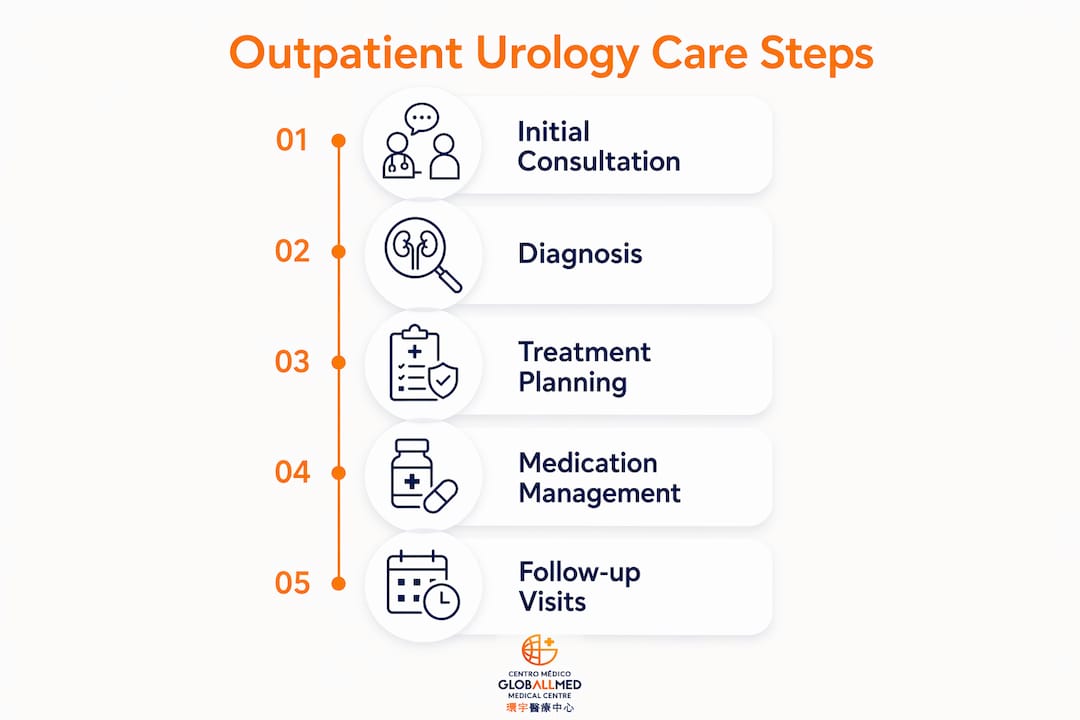
Outpatient urology care, the clinical term used by urologists and healthcare systems, covers a broad scope of non-hospital services. A urologist in this setting performs three core functions: diagnosing conditions through physical examination and diagnostic testing, managing treatment through medication or minimally invasive procedures, and coordinating long-term follow-up to prevent complications.
Conditions commonly managed through outpatient urology treatment include urinary incontinence, recurrent urinary tract infections, kidney stones, erectile dysfunction, BPH, bladder cancer surveillance, and male infertility. Each of these conditions benefits from consistent specialist oversight rather than episodic emergency care. The continuity of outpatient care directly lowers the odds of hospital admission, which is a measurable outcome that reflects the importance of urologist care in preventing disease escalation.
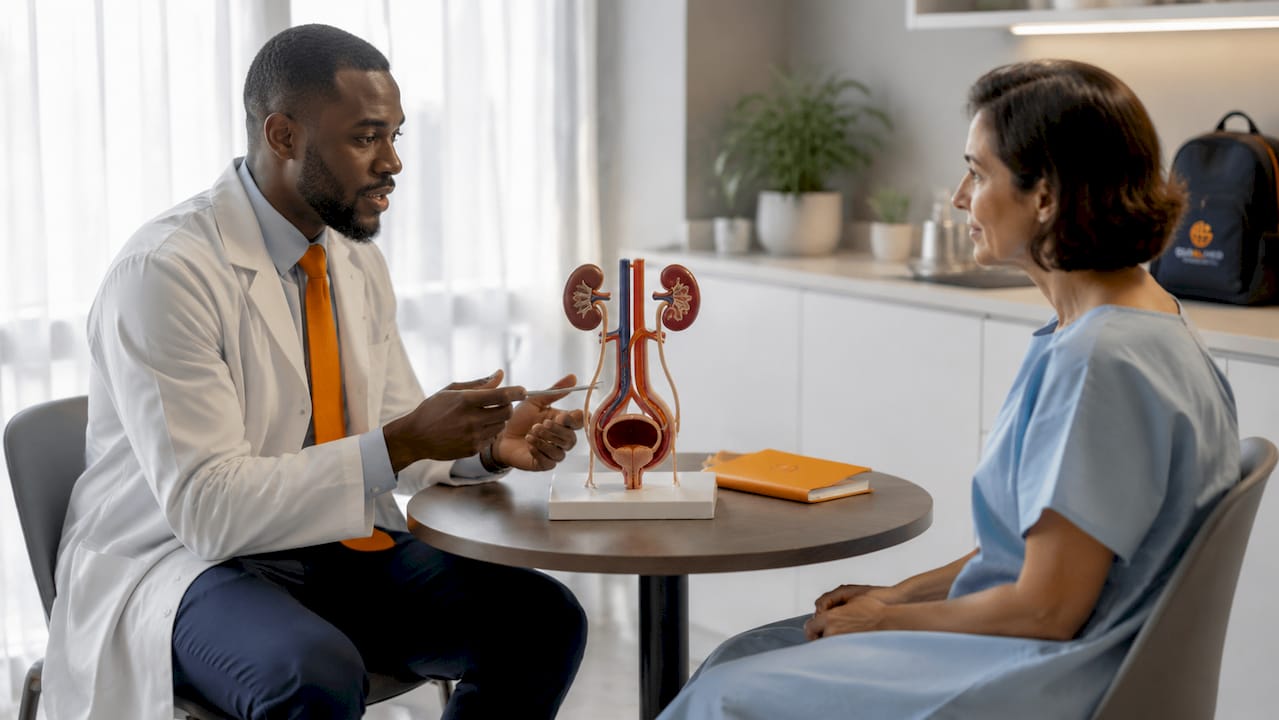
The outpatient model also supports patient education. Urologists explain what symptoms mean, what tests reveal, and what treatment options exist, giving you the knowledge to participate actively in your own care. This educational function is not secondary. It is central to how outpatient urology achieves better long-term outcomes than reactive, emergency-based care.
What are common procedures and treatments in outpatient urology?
Outpatient urology visits involve a structured set of diagnostic tools and treatment approaches designed to assess and manage urological conditions without requiring an overnight hospital stay.
Common diagnostic procedures include:
- Uroflowmetry — measures the speed and volume of urine flow to assess bladder outlet obstruction
- Bladder ultrasound — evaluates post-void residual urine and detects structural abnormalities
- Cystoscopy — a minimally invasive camera examination of the urethra and bladder interior
- Urinalysis and urine culture — identifies infection, blood, or abnormal cells
- PSA blood test — screens for prostate-specific antigen levels relevant to prostate health
Treatment approaches in outpatient settings span a wide range. Medication management covers alpha-blockers for BPH, antibiotics for infections, and hormonal therapies for reproductive conditions. Minimally invasive procedures such as urethral dilation, bladder instillations, and in-office lithotripsy for small kidney stones are performed without general anesthesia. For patients with mild symptoms, watchful waiting is often the first-line strategy, prioritizing careful monitoring over immediate intervention to avoid unnecessary risks.
Postoperative follow-up is also managed in outpatient settings. Patients who have undergone urological surgery return for wound checks, catheter removal, and functional assessments. In 2026, many of these follow-up visits are conducted remotely through telemonitoring platforms, reducing the burden of travel without compromising care quality.
Pro Tip: Arrive at your uroflowmetry appointment with a comfortably full bladder. This single step, confirmed by urology visit guidance, significantly improves the accuracy of your urinary flow measurement and gives your urologist cleaner diagnostic data.
How do urologists collaborate with advanced practice providers in outpatient settings?
Outpatient urology does not operate as a solo physician model. The clinical team includes urologists, NPs, and PAs working in defined but overlapping roles to deliver care across the full patient journey.
Advanced practice providers manage many outpatient urology tasks independently, including initial consultations for lower-risk presentations, medication renewals, post-procedure follow-ups, and survivorship care for patients in remission from urological cancers. This division of labor allows urologists to concentrate on complex diagnostics, surgical planning, and high-acuity cases. The result is a more efficient clinic that serves more patients without reducing care quality.
Here is how responsibilities typically divide between provider types:
- Urologist: Complex diagnosis, surgical procedures, cancer staging, second-opinion consultations, and management of multi-system conditions
- Nurse practitioner (NP): Routine consultations, medication management, patient education, follow-up visits, and chronic condition monitoring
- Physician assistant (PA): Surgical assistance, post-procedure care, diagnostic workups, and coordination between specialists
This team structure matters because the urology workforce is aging. Workforce trends show increasing reliance on NPs and PAs as the number of practicing urologists per capita declines. Patients who see an NP or PA for a routine follow-up are receiving care that is clinically appropriate and deliberately structured. It is not a compromise. It is the design.
| Provider | Primary focus |
|---|---|
| Urologist | Complex cases, surgery, cancer management |
| Nurse practitioner | Routine care, education, chronic follow-up |
| Physician assistant | Surgical support, diagnostics, coordination |
What innovations are shaping outpatient urologist care today?
Telehealth and remote monitoring have moved from experimental to standard practice in outpatient urology. A 2026 pilot study on nurse-led telemonitoring reported a 94% remote follow-up success rate and a patient satisfaction score of 9.4 out of 10. That level of satisfaction, achieved without in-person contact, signals that patients are not just tolerating telehealth. They prefer it for appropriate visit types.
The telemonitoring model used in that study replaced standard in-person visits on postoperative days 7, 14, and 21. Patients reported symptoms, uploaded wound images, and received clinical feedback through a digital platform. No major complications were missed. The median patient age was 43, which challenges the assumption that telehealth primarily serves younger, tech-comfortable demographics.
For patients in Macau and across Asia, telehealth removes geographic and scheduling barriers that previously delayed specialist access. You can complete a follow-up consultation from home, receive a prescription update, and have your results reviewed without taking half a day off work. This is the practical value of telemedicine in outpatient care.
Pro Tip: Before a telehealth urology appointment, prepare a written list of your current symptoms, medications, and any changes since your last visit. Upload any relevant test results to the patient portal in advance. This preparation cuts consultation time and gives your provider the context needed to make accurate decisions.
Why is timely outpatient care by a urologist important for men’s and women’s health?
Delayed urology care is one of the most preventable causes of serious urological complications. The mean wait time to see a urologist after an emergency department visit reached 71.1 days in 2026. That gap between acute presentation and specialist follow-up is where conditions worsen, infections spread, and bladder or kidney damage becomes irreversible.
Conditions that respond best to early outpatient intervention include:
- BPH: Nearly 50% of men over 50 experience enlarged prostate symptoms, yet many delay care assuming it is a normal part of aging
- Urinary tract infections: Recurrent infections require specialist evaluation to rule out structural causes
- Male infertility: Between 20% and 35% of infertility cases involve male factors, most of which are diagnosed and managed through outpatient urology
- Bladder dysfunction: Overactive bladder and urinary incontinence are treatable but often go unaddressed due to embarrassment
- Cancer screening: A family history of urological cancer before age 65 doubles personal risk, making earlier outpatient screening critical
“Many patients delay urology visits due to embarrassment or the belief that their symptoms are a normal part of aging. Early consultation prevents irreversible damage to the bladder and kidneys.” — Urology Group
The psychological barrier of embarrassment is real and well-documented. Symptoms involving urination, sexual function, or reproductive health carry social stigma that discourages patients from seeking care. The clinical reality is that early urological consultation consistently reduces the risk of progression to emergency-level conditions. Addressing a symptom at the outpatient stage is almost always simpler, less expensive, and less disruptive than treating a complication.
What should patients expect during an outpatient urology consultation?
A urology patient consultation follows a structured workflow designed to gather accurate information and build a treatment plan without unnecessary procedures. Knowing what to expect reduces anxiety and helps you engage more effectively with your provider.
A typical outpatient urology visit includes:
- Medical history review: Your provider asks about symptom onset, duration, frequency, and impact on daily life, along with your family history and current medications
- Physical examination: This may include abdominal palpation, genital examination, or digital rectal exam depending on your presenting symptoms
- Diagnostic testing: Urinalysis, uroflowmetry, or bladder ultrasound may be performed during the same visit
- Discussion of findings: Your urologist or advanced practice provider explains what the results mean and what options exist
- Treatment planning: Conservative management is almost always the starting point for mild to moderate symptoms
Urologists prioritize precision over speed. Patients who expect immediate surgery often find that their urologist recommends watchful waiting or medication first. This is not indecision. It is evidence-based practice that avoids the secondary complications that unnecessary procedures can cause.
Questions worth asking during your consultation include: What is the most likely cause of my symptoms? What are my treatment options, including doing nothing? What signs should prompt me to return sooner? Understanding the answers to these questions transforms a consultation from a passive appointment into an active clinical partnership. For a detailed breakdown of what different consultation types involve, the medical consultation types guide provides useful context for first-time urology patients.
Key takeaways
Outpatient urology care delivers the most value when patients engage early, prepare thoroughly, and understand that conservative management is the clinical standard, not a delay.
| Point | Details |
|---|---|
| Outpatient urology scope | Covers diagnosis, treatment, and follow-up for urinary and reproductive conditions without hospital admission. |
| Team-based care model | NPs and PAs manage routine care, freeing urologists for complex cases and procedures. |
| Telehealth effectiveness | Nurse-led telemonitoring achieved 94% follow-up success and 9.4/10 satisfaction in 2026 pilots. |
| Early consultation matters | A 71.1-day average wait after emergency visits underscores why proactive outpatient care prevents escalation. |
| Conservative management first | Watchful waiting and medication are evidence-based first steps before any surgical intervention. |
Why outpatient urology care deserves more credit than it gets
Most patients arrive at a urology clinic expecting one of two things: a quick prescription or a surgery date. What they actually receive is more nuanced, and frankly more impressive, than either of those outcomes. Outpatient urology is where careful clinical thinking happens. The decision not to operate on a mildly symptomatic patient is often the harder and better call.
What I find consistently undervalued is the role of patient preparation in diagnostic accuracy. A patient who arrives for uroflowmetry without a full bladder, or who cannot recall their symptom history, limits what a provider can assess. The quality of your outpatient visit is partly your responsibility, and that is worth saying plainly.
The growing role of NPs and PAs in outpatient urology is also misunderstood. Patients sometimes feel shortchanged when they see an advanced practice provider instead of a urologist. In reality, a well-integrated team delivers faster, more consistent care than a solo physician model ever could. The urologist is still directing your care. The NP or PA is executing it with precision.
Telehealth has changed the follow-up experience in ways that benefit patients who previously skipped appointments due to inconvenience. That 94% remote follow-up success rate is not a technology story. It is a patient access story. The clinics that combine strong in-person diagnostics with flexible remote follow-up are setting the standard for what outpatient urology should look like in 2026 and beyond.
— IGHS
How GLOBALLMED Medical Center supports your urology care needs
GLOBALLMED Medical Center, Macau’s largest private outpatient clinic, provides specialized urology services through an integrated clinical team that includes urologists and advanced practice providers. Whether you need an initial urology patient consultation, diagnostic testing, or ongoing follow-up care, GLOBALLMED delivers coordinated outpatient services built around your schedule and clinical needs.

Telehealth follow-up options are available for patients who cannot attend in person, maintaining continuity of care without requiring repeated clinic visits. GLOBALLMED’s outpatient services cover the full spectrum of urological care, from first presentation through long-term management. Book your consultation today and take the first step toward resolving your urological concerns with a clinical team that prioritizes precision over shortcuts.
FAQ
What does a urologist do in an outpatient setting?
A urologist diagnoses and manages conditions of the urinary tract and male reproductive system through office-based consultations, diagnostic testing, medication management, and minimally invasive procedures. Outpatient urologists also coordinate follow-up care and patient education without requiring hospital admission.
How long does an outpatient urology consultation take?
A first-time urology consultation typically lasts 30 to 60 minutes, covering medical history, physical examination, and initial diagnostic testing. Follow-up visits are generally shorter, focusing on test results and treatment adjustments.
Can a nurse practitioner handle my urology care?
Yes. NPs and PAs manage a wide range of outpatient urology tasks, including routine consultations, medication management, and follow-up care. Urologists supervise complex cases and procedures, while advanced practice providers handle the majority of standard outpatient visits.
Is telehealth effective for urology follow-up appointments?
A 2026 pilot study reported a 94% success rate for nurse-led remote follow-up in urology, with patient satisfaction averaging 9.4 out of 10. Telehealth is appropriate for postoperative check-ins, medication reviews, and symptom monitoring.
When should I see a urologist rather than a primary care doctor?
See a urologist when you experience recurrent urinary tract infections, blood in your urine, difficulty urinating, pelvic pain, or symptoms of BPH. A family history of urological cancer before age 65 also warrants an outpatient urology consultation for screening.