
How to Prepare for Outpatient Procedures: A Step-by-Step Guide
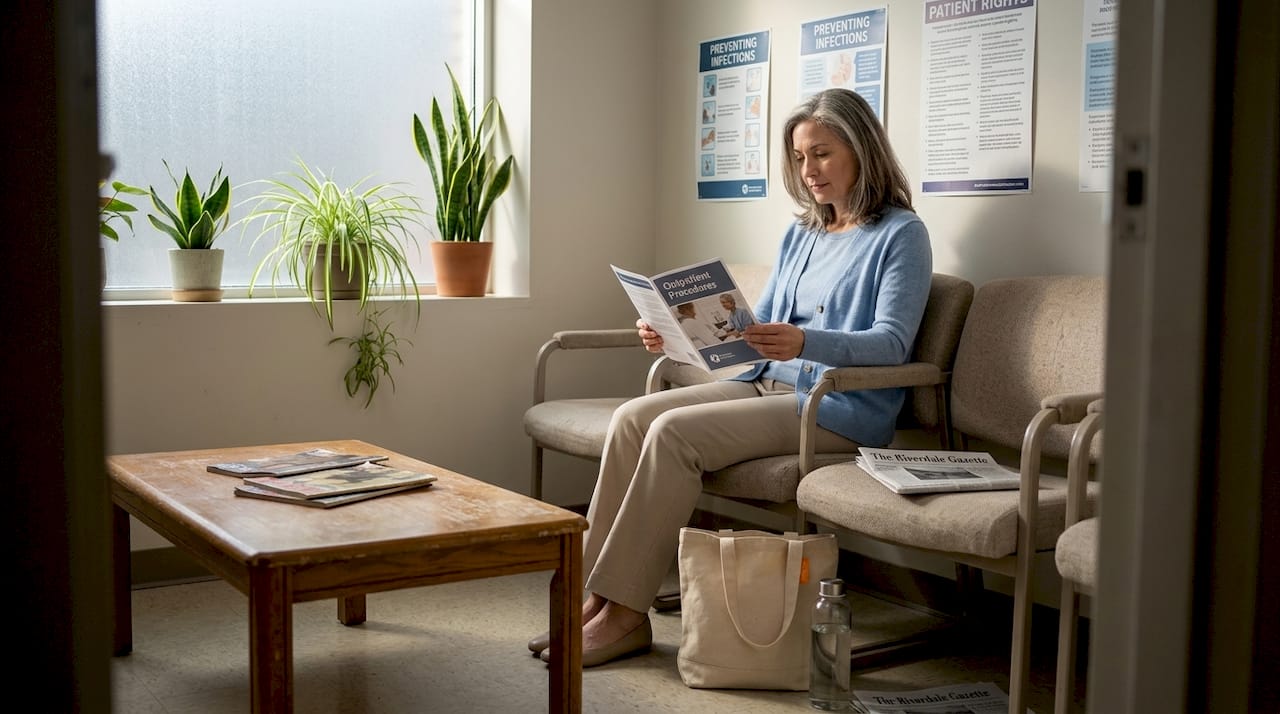
Facing an outpatient procedure can feel nerve-wracking, especially when you are unsure what to expect or how to prepare. The uncertainty around fasting, medications, paperwork, and post-procedure recovery is enough to raise anyone’s anxiety. But here is the reassuring truth: the patients who prepare well consistently experience smoother procedures and faster recoveries. This guide gives you a clear, step-by-step roadmap covering everything from the week before your appointment to the moment you leave the clinic. Whether this is your first minor surgery or a routine diagnostic test, these evidence-based steps will help you walk in feeling confident and cared for.
Table of Contents
-
Our perspective: Simple routines, big impact for your health
-
Schedule your procedure at Macau’s trusted outpatient clinic
Key Takeaways
| Point | Details |
|---|---|
| Advance preparation matters | Completing each prep step reduces stress and helps prevent delays or complications. |
| Follow hygiene guidelines | Proper showering and not shaving the surgical area significantly lower infection risk. |
| Know your checklist | Confirm medications, fasting, and required paperwork days before your procedure. |
| Ask questions | Uncertainty is normal; communicate with your provider for a safer experience. |
| Support smooth recovery | After your procedure, follow care instructions and know warning signs for best results. |
Understanding outpatient procedure basics
Before diving into the preparation steps, let’s start by understanding what outpatient procedures involve.
An outpatient procedure is any medical intervention that does not require an overnight hospital stay. You arrive, receive care, recover briefly on-site, and return home the same day. This model is increasingly common because it is cost-effective, reduces hospital-acquired infection risks, and fits more easily into patients’ schedules.
Common examples of outpatient procedures include:
-
Minor surgeries such as cyst removal or biopsies
-
Endoscopies and colonoscopies
-
Diagnostic imaging with contrast agents
-
Eye procedures like laser corrections
-
Dermatological treatments and minor cosmetic procedures
-
Certain infusion therapies
If you are new to understanding outpatient procedures, knowing what to expect before you arrive makes a significant difference in reducing pre-procedure anxiety.
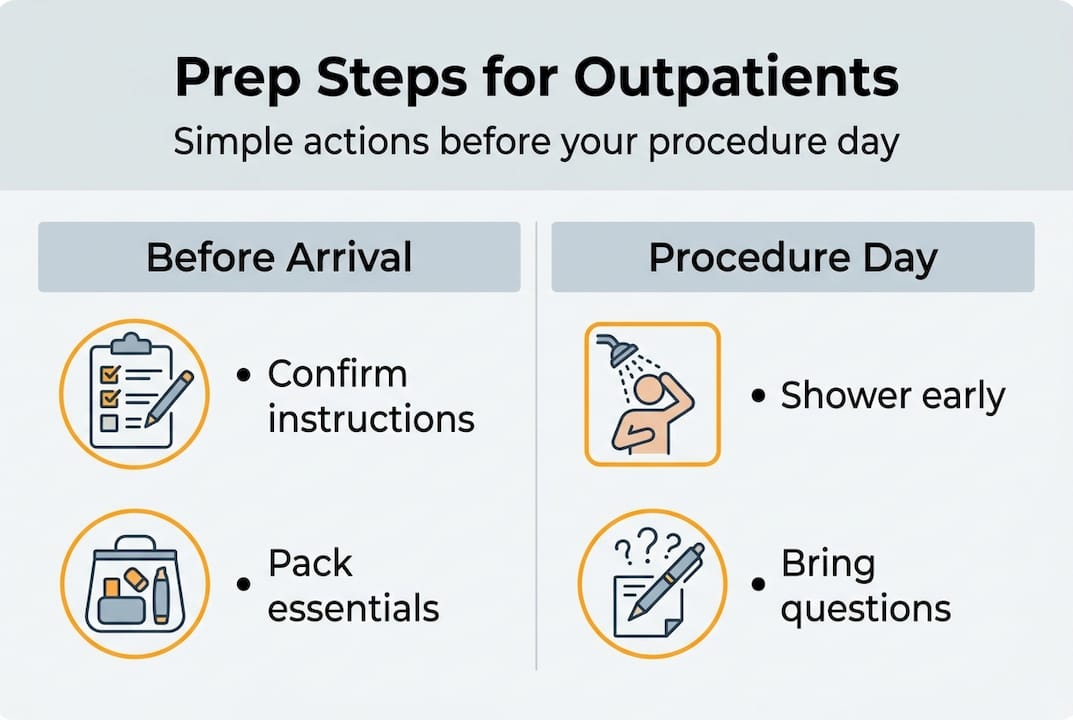
Before most procedures, your clinic will conduct a pre-operative assessment. A nurse typically contacts you to review your health history, current medications, allergies, and any relevant test results. The pre-op assessment process usually includes a documentation check, vitals review, and a walkthrough of what you should and should not do before the procedure. Understanding the Macau outpatient workflow from scheduling to discharge helps you move through each stage without surprises.
Pro Tip: Always ask your clinic for written pre-procedure instructions, not just verbal ones. This way, you can review them at home and confirm every detail is followed correctly.
Checklist: What to do before your procedure
Now that you know the basics, here are the concrete steps to take in the days leading up to your outpatient procedure.
Preparation is not just about comfort. It directly affects your safety. Surgical site infections (SSIs) are a real risk, but many are preventable with proper hygiene and adherence to instructions. The appointment process steps your clinic provides should serve as your starting point.
Here is a numbered checklist to follow in the 48 to 72 hours before your procedure:
-
Arrange transportation. You will likely be unable to drive yourself home after sedation or anesthesia. Confirm a ride with a trusted person.
-
Review all paperwork. Read consent forms, pre-procedure instructions, and insurance documentation carefully.
-
Fast if instructed. Your provider will specify exact cutoff times for food and drink. Follow them precisely.
-
Shower the night before or morning of. Use regular or antimicrobial soap as directed by your clinic.
-
Stop or adjust medications. Blood thinners, diabetes medications, and certain supplements may need to be paused. Always confirm with your doctor.
-
Confirm insurance and payment details. Avoid last-minute administrative delays on procedure day.
| Step | Standard soap prep | Antimicrobial soap prep |
|---|---|---|
| Shower timing | Night before or morning of | As specified by your provider |
| Soap type | Regular cleansing soap | Chlorhexidine or equivalent |
| Skin rinsing | Rinse thoroughly | Rinse to avoid residue |
| Hair washing | Allowed | Check provider instructions |
| Avoid | Lotion, deodorant near site | Same restrictions apply |
Clinical guidance: Pre-op shower protocols recommend patients shower before surgery using the soap type specified by their care team. Clinicians consistently advise against shaving the surgical area yourself, as micro-cuts increase the risk of bacterial infection at the site.
Pro Tip: Pack loose, comfortable clothing and a written list of questions for your provider. Loose clothing is easier to remove and re-dress, and written questions prevent you from forgetting important points in the moment.
On the day of your procedure: Key steps
With your checklist complete, here’s how to start your procedure day with confident organization.
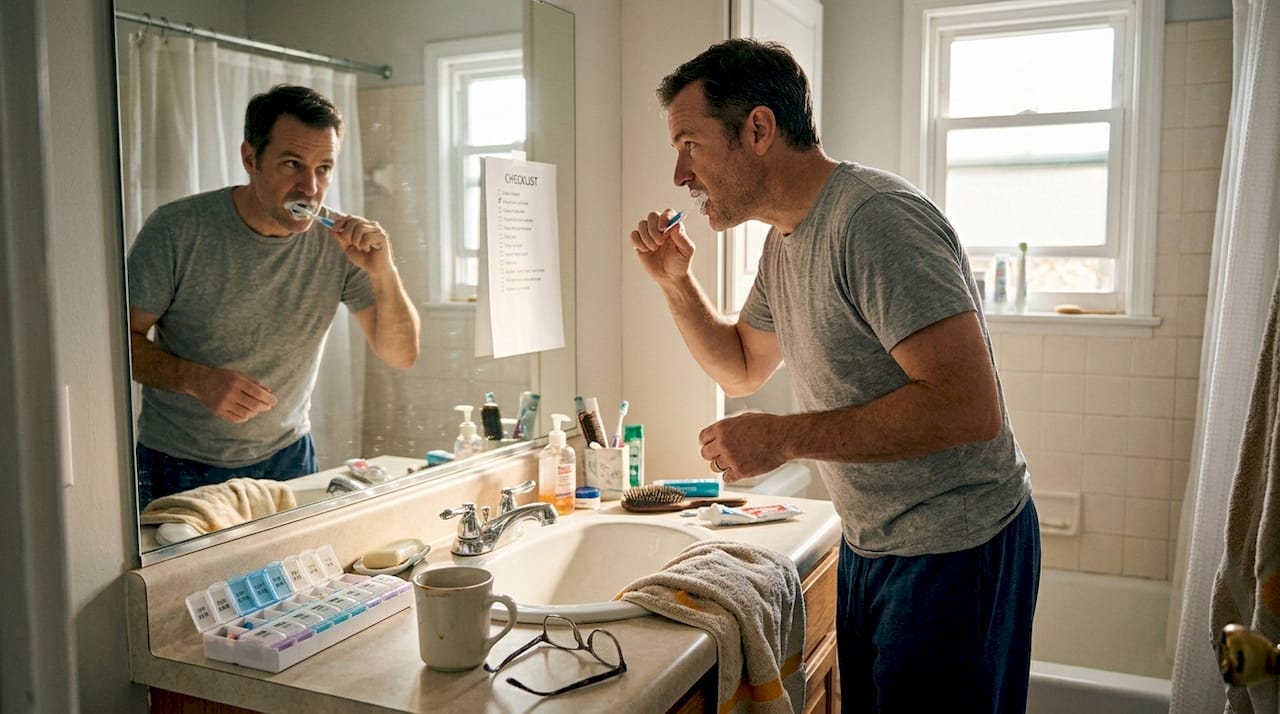
Procedure day is not the time to improvise. A structured morning reduces the chance of forgetting something critical and helps you arrive calm. Start with your shower using regular or antimicrobial soap, but do not shave the surgical site. Skip lotions, perfumes, and deodorant near the procedure area.
Here is a quick checklist of what to bring and do on the day:
-
Bring a valid photo ID and your insurance card or documents
-
Wear loose, comfortable clothing that is easy to remove
-
Arrive at least 15 to 30 minutes early for check-in
-
Follow your fasting instructions to the letter
-
Leave valuables and unnecessary items at home
-
Have your designated driver confirmed and reachable
| Time of day | Action required |
|---|---|
| Wake up | Shower, skip lotions near the site |
| 2 to 3 hours before | Stop all food and drink if instructed |
| 30 to 60 minutes before | Gather documents, confirm ride |
| On arrival | Check in early, inform staff of any changes |
| During wait | Stay calm, ask any remaining questions |
The financial cost of skipping basic preparation steps is worth noting. Each SSI adds roughly $3,300 in additional treatment costs, not counting the physical toll. Simple hygiene steps protect you both medically and financially.
You can explore top outpatient services to understand what your specific procedure day may involve. If you want to know how the clinical process flows from check-in through discharge, reviewing how clinics streamline consultation workflow can ease your expectations.
Common mistakes and how to avoid them
Even with careful planning, some mistakes happen more often than others. Here’s how to avoid the most common ones.
The most frequent errors patients make are not dramatic oversights. They are small, avoidable lapses that snowball into real problems on procedure day. Recognizing these patterns ahead of time puts you in a much stronger position.
Here are the most common mistakes and how to sidestep them:
-
Misreading fasting instructions. Some patients stop eating at midnight but forget about liquids, or they misunderstand when exactly to stop. Re-read the specific instructions your clinic provides and call to clarify if anything is unclear.
-
Skipping or rushing the pre-op shower. Skipping pre-procedure hygiene is one of the most impactful errors. Ignoring hygiene instructions significantly raises your infection risk at the surgical site.
-
Shaving the area near the procedure. Many patients assume shaving is helpful. It is not. Micro-abrasions from razors create entry points for bacteria.
-
Forgetting essential documents. Arriving without your ID, insurance card, or referral letter causes delays and unnecessary stress.
-
Bringing too many personal items. Leave expensive jewelry, large bags, and non-essential electronics at home.
-
Not arranging transportation in advance. Discovering you have no ride home after receiving sedation is a serious safety gap.
For guidance on outpatient medical standards, reviewing what quality clinics expect from patients ahead of time can be a useful reference.
Pro Tip: The evening before your procedure, call or message your clinic to confirm your appointment time and ask any final questions. A quick two-minute check-in can prevent a stressful morning scramble.
What to expect after your outpatient procedure
Once your procedure is complete, understanding the next steps ensures a smooth and safe recovery.
Most patients are moved to a recovery area where staff monitor your vitals, pain levels, and alertness before you are cleared to leave. This monitoring period varies depending on the procedure and type of anesthesia used, but it is a standard part of the outpatient experience. Your care team will provide written discharge instructions before you go.
Here are the key recovery steps to follow:
-
Stay for monitoring. Do not rush the post-procedure observation period. It exists for your safety.
-
Manage pain as directed. Take prescribed or recommended pain relief on the schedule your provider outlined. Do not wait until pain becomes severe.
-
Watch for warning signs. Know what to look for: unusual swelling, fever above 38°C (100.4°F), increasing redness, or excessive bleeding at the site.
-
Arrange your follow-up appointment. Before you leave the clinic, confirm your next check-in date or telehealth call.
-
Resume activities gradually. Most patients can return to light activities within one to two days, but always follow your provider’s specific guidance.
Recovery reminder: Nurse guidance before and after procedures is designed to set you up for a safer return home. Follow the written instructions you receive at discharge, and do not hesitate to call if something feels off.
For patients who prefer remote check-ins after their procedure, telemedicine for outpatient recovery offers convenient options to stay connected with your care team without an additional clinic visit.
Our perspective: Simple routines, big impact for your health
At Globallmed, we have observed a clear pattern across hundreds of patient interactions: the people who experience the calmest procedure days are not necessarily the bravest or most experienced. They are the most prepared.
What surprises most patients is how much difference a few simple actions make. Confirming your fasting instructions the night before, having a trusted person drive you, showering with the right soap, bringing your documents organized in a folder. None of these require medical training. Yet they consistently reduce last-minute stress and lower complication risks more than any high-tech intervention.
There is also a communication piece that gets underestimated. Asking your provider a question before the procedure is not an inconvenience; it is a sign of engagement that leads to better outcomes. Providers working through a step-by-step outpatient workflow genuinely appreciate patients who arrive informed. The result is a smoother, faster experience for everyone involved. Preparation does not end at the surgery door. It shapes the entire recovery arc.
Schedule your procedure at Macau’s trusted outpatient clinic
Ready to take the next step? Here’s how Globallmed can help make your outpatient procedure stress-free.
At Globallmed, our patient-centered approach means you are supported from the moment you book until well after your discharge. Our clinical team walks you through every preparation step, ensures you understand your instructions, and provides follow-up guidance tailored to your recovery.

Explore our outpatient services in Macau to find the procedure that fits your needs. Whether you are a local patient or traveling to Macau for care, we make the process clear, safe, and straightforward. Book your consultation today and experience what a well-organized outpatient clinic genuinely feels like.
Frequently asked questions
Do I need to fast before all outpatient procedures?
Not all procedures require fasting, but always confirm your pre-op instructions with your doctor before your appointment to avoid any complications.
Why is showering before my procedure so important?
Showering reduces your risk of surgical site infection; use regular or antimicrobial soap as your provider recommends, since pre-op hygiene is one of the most effective prevention steps available.
Should I shave the area near my procedure?
No. Do not shave the surgical area before your procedure, as shaving increases infection risk through micro-abrasions that allow bacteria to enter.
When can I eat or drink after my outpatient procedure?
You can usually eat or drink once your care team clears you after the procedure. Always follow their specific discharge instructions for your safety.
Who should I contact if I have concerns before my procedure?
Reach out directly to your procedure coordinator or clinic. They are your best source of personalized, up-to-date guidance specific to your situation.