
Appendicitis Symptoms in Adults: Warning Signs to Watch For

The most reliable warning sign of appendicitis is pain that starts near the belly button, sharpens over several hours, and settles into the lower right abdomen, often paired with nausea, low appetite, or a mild fever. The National Institute of Diabetes and Digestive and Kidney Diseases (NIDDK) and Mayo Clinic both describe this as the classic pattern, and it is also the pattern GLOBALLMED Medical Center’s clinical team sees most often in adults presenting for evaluation.
If that pain is getting worse, has not eased in a few hours, or comes with fever or repeated vomiting, treat it as an emergency and get evaluated now. Waiting it out at home is the wrong move once pain starts concentrating in the lower right side.
Watch for these four signs together:
- Pain that begins around the navel and migrates to the lower right abdomen
- Pain that worsens with walking, coughing, or sudden movement
- Nausea, vomiting, or loss of appetite
- Low-grade fever accompanying the abdominal pain
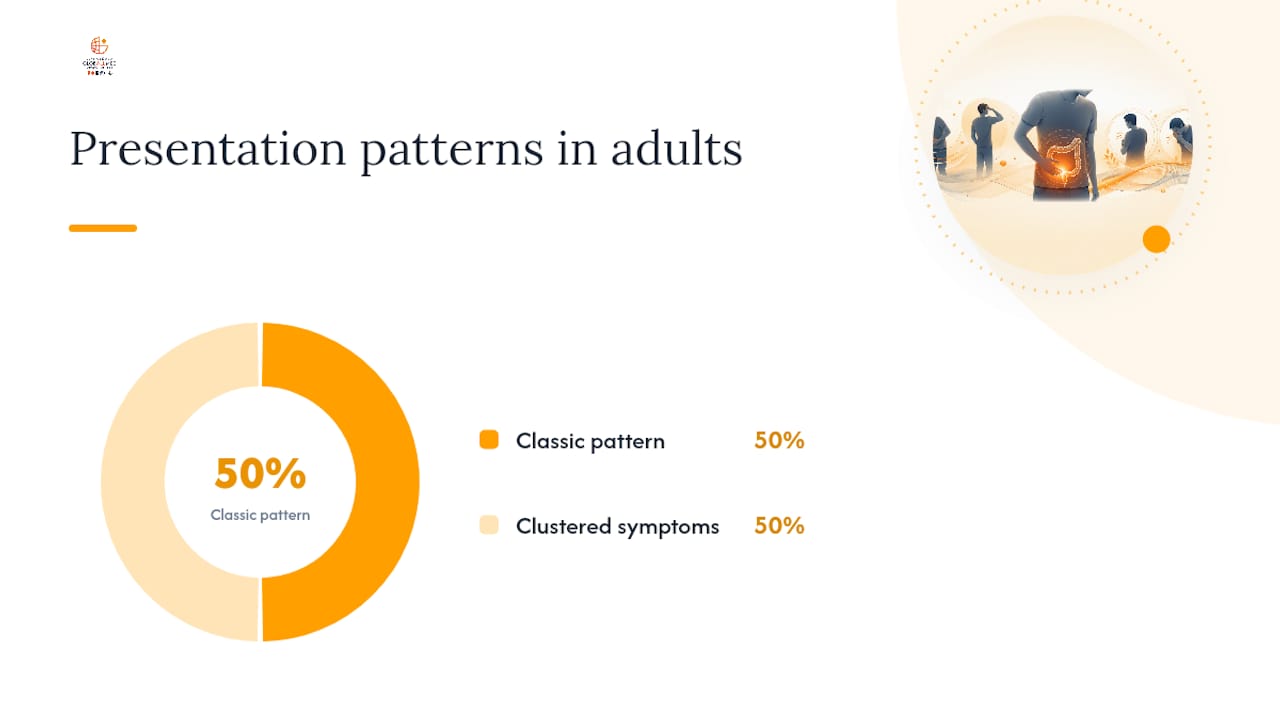
Only about half of adults show this exact combination. If your pain is severe or worsening but doesn’t match this pattern precisely, don’t dismiss it. Get checked anyway.
Key Takeaways
Appendicitis in adults is best recognized by pain that migrates from the belly button to the lower right abdomen and worsens with movement, fever, or vomiting, and any worsening or persistent case of this pattern warrants same-day medical evaluation.
| Point | Details |
|---|---|
| Recognize the classic pattern | Pain starting near the belly button and shifting to the lower right, worsening over hours, is the most common presentation. |
| Don’t wait for textbook symptoms | About half of adults present atypically, especially older adults, pregnant people, and those with unusual appendix positioning. |
| Track pain triggers | Coughing, walking, and sudden movement worsening the pain is a meaningful clinical clue, not a coincidence. |
| Diagnosis relies on combination testing | Blood work, urine tests, and imaging together confirm appendicitis since no single test is definitive. |
| Act fast on red flags | Rising fever, repeated vomiting, or sudden pain spreading across the abdomen calls for immediate emergency care. |
Authoritative Sources to Read Next
- NIDDK: Symptoms & Causes of Appendicitis
- Mayo Clinic: Appendicitis Symptoms and Causes
- MedlinePlus Medical Encyclopedia: Appendicitis
For urgent symptoms, go to your nearest emergency department. For outpatient follow-up or specialist referral, GLOBALLMED Medical Center’s wellness and recovery-support services can help with post-treatment care planning.
Table of Contents
- What Appendicitis Pain Typically Feels Like
- Early Warning Signs Adults Should Not Ignore
- How Appendicitis Symptoms Can Progress if Left Untreated
- When Appendicitis Doesn’t Follow the Textbook Pattern
- Red Flags That Mean You Need Emergency Care Now
- How Doctors Diagnose Appendicitis in Adults
- Appendicitis Treatment Options and Recovery Timeline
- Conditions That Get Mistaken for Appendicitis
- What to Note Before You Call or Go to the ER
- Frequently Asked Questions
What Appendicitis Pain Typically Feels Like
Appendicitis pain rarely announces itself dramatically at first. It usually starts as a dull, crampy discomfort around the belly button, the kind you might mistake for gas or a mild stomach bug. Over the next several hours, most commonly between 12 and 24 hours, that vague ache sharpens and travels to the lower right quadrant of the abdomen. NIDDK notes the pain can even wake someone from sleep and often feels different from any stomach pain they’ve had before.

Movement makes it worse. Coughing, sneezing, walking, or hitting a bump in the car can trigger a jolt of pain in the lower right side. This tenderness often centers on a specific spot roughly one third of the way between the hip bone and the belly button, an area clinicians call McBurney’s point. Pressing there, or releasing pressure suddenly, tends to reproduce the sharpest pain.
What to track if this is happening to you:
- The exact time the pain started
- Whether it has moved from the belly button toward the lower right
- Whether coughing, walking, or bumps in the road make it worse
- Whether the intensity has changed hour to hour
Pro Tip: Write down when your pain shifted location and what made it worse, even a rough timeline on your phone. Clinicians rely heavily on how pain evolves over time, and a clear timeline speeds up diagnosis considerably.
Early Warning Signs Adults Should Not Ignore
Pain gets the attention, but appendicitis usually announces itself through a cluster of other symptoms before or alongside the abdominal pain. Recognizing the combination matters more than spotting any single symptom in isolation.
Common early signs include:
- Loss of appetite, often one of the very first symptoms to appear
- Nausea or vomiting, usually following the onset of abdominal pain
- Low-grade fever, typically in the 99 to 101°F range
- Constipation or diarrhea
- Bloating or abdominal swelling
- Urinary urgency or frequency, caused by irritation near the bladder
A single symptom like nausea or mild bloating rarely means much on its own. But migrating abdominal pain paired with nausea and fever is a different story entirely. Cleveland Clinic and Mayo Clinic both list this combination as a strong indicator that something beyond routine indigestion is happening.
As a rough severity guide: pain plus loss of appetite alone can often wait for a same-day appointment. Pain that’s worsening, plus fever, plus vomiting should send you to an emergency department the same hour, not the same day. A significant portion of adults with appendicitis show the full classic pattern, so the other half rely on exactly this kind of symptom clustering to prompt evaluation.
How Appendicitis Symptoms Can Progress if Left Untreated
Appendicitis rarely stays static. What starts as a manageable ache tends to escalate, and the direction it escalates in tells clinicians a lot about what’s happening inside the abdomen.
Beyond the core symptoms, adults may notice:
- A higher, more persistent fever as inflammation intensifies
- Chills accompanying the fever
- Increasing abdominal swelling or firmness
- Inability to pass gas
- Growing fatigue or general malaise
- Rebound tenderness, a sharp pain when pressure on the abdomen is released rather than applied
- Worsening urinary symptoms if the inflamed appendix sits near the bladder
The timeline matters here. Over roughly 12 to 48 hours without treatment, pain typically intensifies, fever climbs, and the abdomen becomes increasingly rigid and tender. One pattern worth knowing: if severe pain suddenly eases and then rapidly gives way to widespread abdominal pain and a sicker overall feeling, that can signal the appendix has ruptured, not that things are improving. A ruptured appendix spills infection into the abdominal cavity, which is exactly why clinicians treat the trajectory of symptoms, not just their presence, as clinically meaningful. This shift happens because ongoing inflammation and obstruction inside the appendix eventually outpace the body’s ability to contain it.
When Appendicitis Doesn’t Follow the Textbook Pattern
Roughly half of adults with appendicitis do not present with the classic belly button to lower right progression, and certain groups are far more likely to fall into that atypical group. Older adults often have blunted pain responses and may report only vague discomfort, mild fever, or subtle changes in bowel habits, which is part of why adult appendicitis complications tend to be more common in seniors. Pregnant people are another key group, since a growing uterus pushes the appendix upward and outward, sometimes producing pain in the upper right abdomen instead of the lower right.
Anatomical variation plays a role too. The appendix doesn’t sit in the same spot in every person. A retrocecal appendix, positioned behind the colon, can cause flank or back pain rather than the classic front lower right tenderness. A pelvic appendix can mimic bladder or gynecologic pain instead.
Persistent or worsening abdominal pain in these groups deserves evaluation even when it doesn’t match the textbook description. Waiting for the “classic” pattern to appear before seeking care is one of the most common reasons diagnosis gets delayed in exactly the people most vulnerable to complications.
Red Flags That Mean You Need Emergency Care Now
Certain signs mean you should stop waiting and get to an emergency department immediately, not schedule a visit for later in the week.
Go to the ER now if you have:
- Severe, worsening pain concentrated in the lower right abdomen
- A fever of 101°F or higher combined with abdominal pain
- Repeated vomiting that leaves you unable to keep fluids down
- Sudden pain relief followed by pain spreading across the entire abdomen
- Fainting, confusion, or a rapid heart rate alongside abdominal pain
If surgery is likely, avoid eating or drinking anything on the way in. Bring a list of your current medications and any known allergies. This small step saves valuable time once you’re in the exam room.
When pain has moved to the lower right and keeps intensifying, treat it as a medical emergency. Delayed evaluation is the single biggest factor behind rupture and the more serious complications that follow.
GLOBALLMED Medical Center’s medical clinic department provides urgent evaluation pathways for adults presenting with sudden abdominal pain, so same-day assessment doesn’t have to mean a long wait.
How Doctors Diagnose Appendicitis in Adults
Diagnosing appendicitis is rarely a single-test process. Clinicians build a picture from several sources at once, because no individual finding is sensitive or specific enough on its own to confirm or rule out the condition.
The evaluation typically includes:
- A focused history covering when pain started, how it has moved, and what makes it worse
- A physical exam checking for tenderness at McBurney’s point and signs like rebound tenderness
- Blood tests measuring white blood cell count and inflammatory markers like CRP
- A urine test to rule out a urinary tract infection or kidney stones as the cause
- A pregnancy test when relevant, since it changes both diagnosis and treatment planning
- Imaging, often ultrasound first in younger adults or during pregnancy, with CT scans of the abdomen and pelvis used frequently in other adults
Clinicians weigh all of this together rather than relying on any single result, which is exactly why the exam, labs, and imaging tend to happen in the same visit rather than sequentially over days.
Appendicitis Treatment Options and Recovery Timeline
The standard treatment for appendicitis in adults is surgical removal of the appendix, known as an appendectomy, performed either laparoscopically or through open surgery. Laparoscopic surgery is more common today and generally comes with a faster recovery. In select uncomplicated cases, some clinicians now consider a course of antibiotics as an alternative to immediate surgery, though this approach carries a real chance the appendicitis returns later. If an abscess has already formed, drainage may be needed before or instead of immediate surgery.
Recovery generally follows this pattern:
- Hours to a few days in the hospital for post-operative monitoring after laparoscopic surgery
- One to two weeks before returning to light daily activity
- Four to six weeks before resuming full activity, including exercise and heavy lifting, for uncomplicated laparoscopic cases
- Longer recovery, sometimes several additional weeks, if the appendix had already ruptured before surgery
Watch for wound infection, abscess formation, prolonged bowel sluggishness (ileus), or signs of sepsis in the days following surgery, and follow up promptly if fever or worsening pain returns after discharge. GLOBALLMED Medical Center’s surgical and specialty services support this full arc, from initial diagnosis through post-operative follow-up.
Conditions That Get Mistaken for Appendicitis
Several conditions mimic appendicitis closely enough that distinguishing between them takes real clinical judgment, not guesswork.
- Gastroenteritis (stomach flu): Diarrhea tends to dominate the picture, and pain is usually more diffuse rather than localized to the lower right.
- Ovarian torsion or ectopic pregnancy: Sudden, severe pelvic pain in someone who could be pregnant shifts the initial workup toward a pregnancy test and pelvic imaging.
- Pelvic inflammatory disease: Often comes with vaginal discharge and pain that worsens with pelvic exam.
- Kidney stones or urinary tract infection: Flank pain and urinary symptoms point here, and a urine test often clarifies quickly.
- Diverticulitis: More common in older adults, with pain typically on the lower left rather than the right.
- Inflammatory bowel disease: Longer symptom history and recurring flares distinguish it from an acute appendicitis presentation.
- Mesenteric adenitis: Often follows a recent viral illness and tends to resolve without surgery.
Distinguishing between these relies on the same combination clinicians use for appendicitis itself: history, exam findings, lab work, and imaging together.
What to Note Before You Call or Go to the ER
A few minutes of preparation before you head in can meaningfully speed up your evaluation.
- Note the exact time your pain started and how it has changed since
- Track whether the pain has migrated from the belly button toward the lower right
- Record what makes the pain worse (movement, coughing, deep breaths)
- List associated symptoms: fever, vomiting, appetite loss, bowel changes
- Mention any recent illness, injury, or possibility of pregnancy
- Bring a current medication list and any known allergies
Pro Tip: If surgery looks likely, avoid eating or drinking anything until a clinician clears you, since an empty stomach reduces surgical risk and delay.
Clinicians lean heavily on how your symptoms have changed over time, not just how you feel in the moment, so a clear timeline genuinely changes how quickly you get seen and treated.
Recognizing appendicitis symptoms early and acting on them, rather than waiting to see if the pain passes, is what actually prevents rupture and serious complications. If you or someone you’re with has pain that fits this pattern, GLOBALLMED Medical Center’s outpatient medical center offers same-day clinical evaluation, on-site diagnostics, and a direct path to surgical specialists when needed, so you’re not left guessing whether a stomach ache warrants a trip to the ER. You can review the full range of specialties, including surgery and OB/GYN, through Globallmed’s services directory or start with a general consultation if you’re unsure where your symptoms fit.
Frequently Asked Questions
What are the very first signs of appendicitis in adults? The earliest signs are usually dull pain near the belly button along with loss of appetite. Within hours, that pain often sharpens and migrates to the lower right abdomen.
How can I tell appendicitis apart from a stomach flu? Gastroenteritis typically brings prominent diarrhea and more generalized abdominal discomfort, while appendicitis pain tends to localize to the lower right side and worsen with movement rather than easing.
When should I go to the ER for appendix pain? Go immediately if lower right abdominal pain is worsening, if you have a fever alongside the pain, or if you’re vomiting repeatedly and can’t keep fluids down.
Can appendicitis symptoms come and go? Early on, discomfort can be mild and intermittent, but true appendicitis pain typically intensifies steadily over hours rather than resolving on its own.
Is chronic appendicitis a real condition? Some adults experience recurring, milder episodes of appendix inflammation known as chronic or recurrent appendicitis, which can still progress to acute appendicitis and warrants medical evaluation rather than being dismissed as ongoing indigestion.
What causes appendicitis in the first place? Appendicitis usually results from a blockage inside the appendix, often from trapped stool, swollen lymphatic tissue, or occasionally a foreign object, which leads to inflammation and bacterial buildup.
This article is general information, not a substitute for advice from a qualified doctor. Consult a qualified healthcare professional about your own circumstances before acting on anything here.