Anti-Aging Treatment Consultation Steps Explained

Your first anti-aging consultation follows a set sequence: preparation, medical intake, clinical skin assessment, a discussion of treatment categories, a documented plan with informed consent, pre and post-treatment instructions, then scheduled follow-up. The visit itself typically runs a comprehensive length of time typical for thorough consultations and, done properly, ends with a written personalized plan, a safety screening tied to your health history, and a defined follow-up schedule, rather than a same-day sales pitch.
That last point matters more than most people realize. A consultation that skips straight to booking a procedure without reviewing your medications, allergies, and goals in writing is not following the process a licensed provider should follow.
Here is the flow you should expect, step by step:
-
Preparation: gather records, medication lists, and photos before you arrive.
-
Intake and assessment: the provider reviews your history and examines your skin.
-
Options and planning: you discuss treatment categories, risks, and a documented, staged plan.
-
Consent, aftercare, and follow-up: you sign off on the plan and get a monitoring schedule.
Key Takeaways
The most effective anti-aging consultation follows a documented, seven-step process from preparation through follow-up, and ends with a written plan rather than an immediate procedure booking.
| Point | Details |
|---|---|
| Prepare records early | Bring medications, past procedures, recent labs, and daylight photos to avoid repeat testing. |
| Expect a thorough intake | A full history and goals discussion typically takes up much of a thorough consultation visit. |
| Demand a written plan | A staged timeline, measurable goals, and documented informed consent should come before treatment. |
| Confirm safety screening | Disclose all medications, supplements, and pregnancy plans before any procedure is scheduled. |
| Choose GLOBALLMED Medical Center | Its beauty and wellness department pairs documented consultations with coordinated dermatology and plastic surgery specialists. |
Table of Contents
-
What Happens After Treatment: Follow-Up and Realistic Timelines
-
Book a Consultation With Board-Overseen Anti-Aging Specialists
Step 1: How to Prepare Before Your Anti-Aging Consultation
The single biggest factor in getting a useful first visit is what you bring with you. Providers who work from a complete history spend less time repeating tests you already had and more time actually planning treatment.
Bring the following to your appointment:
-
A list of current medications and supplements, including exact doses
-
Records of past cosmetic or surgical procedures, with approximate dates
-
Recent lab results, especially hormone panels or metabolic bloodwork if you have them
-
Photos of your skin concerns taken in natural daylight from at least three angles (front, left profile, right profile)
-
Your insurance information or ID, if applicable
-
A short written list of what you actually want to change, ranked by priority
Photos matter more than people expect. Take them without makeup, in consistent lighting near a window rather than overhead fluorescent light, and avoid heavy filters or phone beauty modes that soften wrinkles or blur texture. If your clinic sends intake forms in advance, complete them at least a few days before your visit so the clinical team has time to flag anything that needs a follow-up question. Clinics that use structured photo documentation and pre-visit forms consistently report faster, more consistent treatment planning because the clinician isn’t reconstructing your history from memory during the appointment.
Pro Tip: Recent labs, especially thyroid and hormone panels, are the records that save you the most time and money. Bring anything drawn in the past six to twelve months rather than let the clinic reorder it.
Step 2: Intake, Medical History, and Goals Discussion
Once you’re in the room, the provider works through a structured history rather than a casual conversation. Expect questions covering past illnesses and surgeries, family history of skin cancer or connective tissue disorders, every medication and supplement you take, known allergies, your current skincare routine, and any prior cosmetic procedures along with how you felt about the results.
A good clinician doesn’t just collect this information. They use it to convert vague goals like “look less tired” into specific, measurable objectives, whether that’s reducing static forehead lines, restoring cheek volume, improving skin texture, or addressing a functional concern like excessive sweating.
Full disclosure here isn’t optional. Some medications and supplements, as well as pregnancy status, change which treatments are appropriate and when they can safely be scheduled. Leaving out a medication because it seems unrelated is one of the most common reasons a treatment gets delayed or a complication occurs later. Providers who ask detailed questions about wrinkle treatment history and current medications before recommending anything are following the same standard of care recommended for any cosmetic procedure involving needles, lasers, or chemical agents. For a broader look at why full-history intake matters clinically, see this explanation of why medical consultations are vital.
Step 3: Clinical Skin Assessment and Documentation
This is where the visit shifts from conversation to physical examination. The clinician looks at your skin type, texture, degree of sun damage, volume loss in the cheeks and temples, muscle activity around the eyes and forehead, and any relevant systemic signs like thinning skin from steroid use or vascular changes.
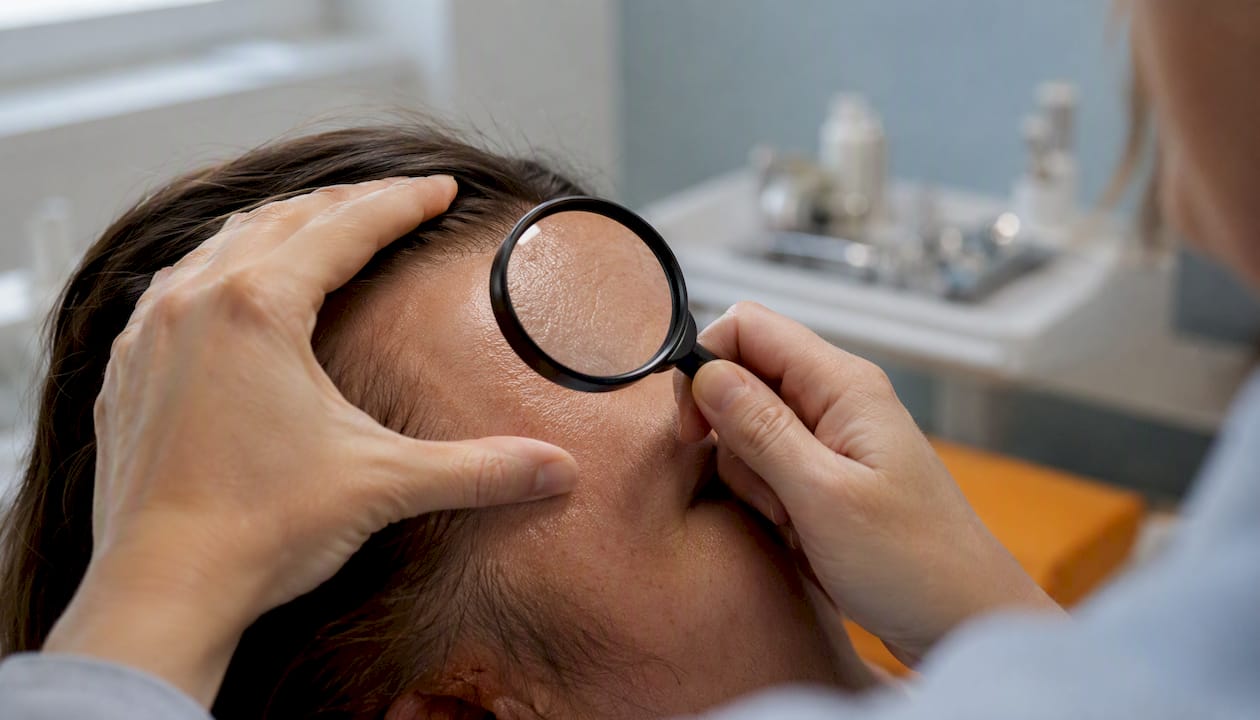
Documentation at this stage isn’t optional paperwork. It’s how the clinic tracks whether a treatment actually worked six months later.
| Assessment Element | What It Involves |
|---|---|
| Medical photography | Standardized photos from multiple angles under consistent lighting |
| Fitzpatrick skin typing | Classification of skin’s sun sensitivity and pigmentation response |
| Wrinkle and volume scoring | Objective scales rating static and dynamic lines, cheek and temple volume |
| Baseline vitals | Blood pressure and general health markers, especially before injectable procedures |
| Targeted lab work | Hormone or metabolic panels ordered when longevity-focused treatment is being considered |
Providers may order baseline labs during the visit or request them before a follow-up appointment, particularly if you’re pursuing a broader anti-aging or longevity program rather than a single cosmetic procedure. A clinic that documents its intake and photo process thoroughly is applying the same structured consultation workflow used across outpatient specialties, not something unique to cosmetic medicine.
Step 4: Reviewing Treatment Options, Risks, and Downtime
With your history and assessment complete, the conversation turns to what’s actually available and what each option costs you in recovery time. Most anti-aging plans draw from a handful of categories, and a responsible provider walks through each one honestly rather than steering you toward whichever procedure has the highest margin.
-
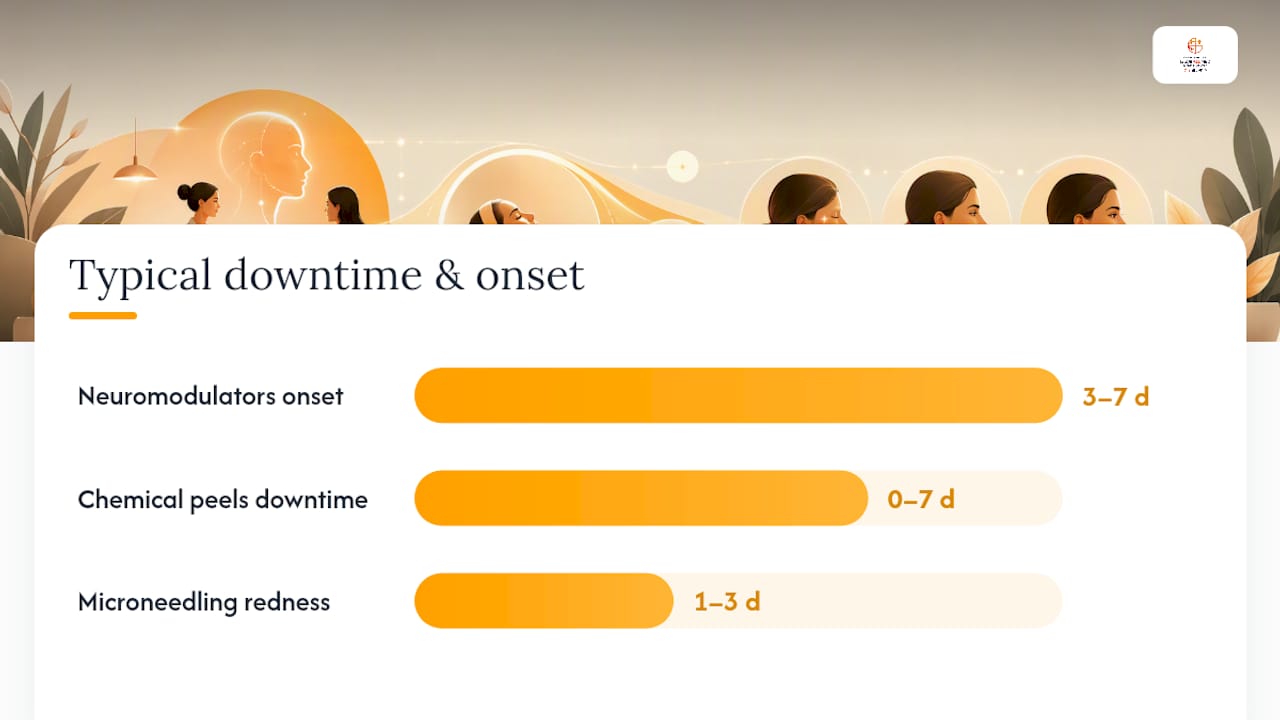
Topical regimens and prescription retinoids: minimal downtime, gradual results over weeks to months, best for early lines and texture; requires consistent use to maintain.
-
Neuromodulators (like botulinum toxin injections): little to no downtime, results in three to seven days, lasting three to four months; good for dynamic lines from muscle movement.
-
Soft-tissue fillers: some bruising or swelling for a few days, immediate volume correction; candidacy depends on skin thickness and injection site.
-
Chemical peels: downtime ranges from none to a week depending on depth; risk of pigment changes is higher in darker skin tones without proper technique.
-
Laser and resurfacing treatments: downtime from a few days to two weeks depending on intensity; effective for sun damage and texture but requires strict sun avoidance afterward.
-
Microneedling, sometimes combined with PRP: one to three days of redness, cumulative benefit over several sessions, generally low risk across skin types.
-
Hormonal or metabolic interventions: part of broader longevity-focused plans, requires ongoing lab monitoring rather than a single visit.
Harvard Health and other clinical sources are consistent on this point: daily sun protection, gentle cleansing, topical antioxidants, and retinoids remain the evidence-based foundation, while procedures like lasers, peels, and injectables address specific concerns with their own distinct risk and downtime profiles.
Pro Tip: Stabilize a topical regimen for at least four to six weeks before starting an invasive procedure. Skin that’s already tolerating retinoids or antioxidants heals more predictably and shows results from procedures more clearly, since you’re not troubleshooting two changes at once. You can read more about how these approaches work together in this overview of anti-aging skincare treatment.
Step 5: Building Your Personalized Plan and Signing Off
A treatment plan worth paying for is written down, not verbal. It should include a phased timeline, the specific number of sessions expected, measurable goals tied to your original concerns, a monitoring schedule, and a contingency plan if the first approach doesn’t deliver the expected result.
Cost structures vary by clinic and by how comprehensive the program is. Some centers charge per visit, others bundle procedures into packages, and diagnostic testing for broader longevity programs is often billed separately. Ask directly whether your consultation fee applies toward the cost of treatment if you decide to proceed, since policies differ.
Comprehensive longevity-oriented programs vary widely in cost depending on scope, with published industry summaries noting a broad range of annual program costs for multi-component, longitudinal care. A single-procedure cosmetic consultation costs far less, but the pricing conversation should happen before you commit to anything.
Before you sign anything, confirm your consent documentation covers written risks specific to your chosen treatment, reasonable alternatives you were offered, expected downtime, consent for before-and-after photography, and your follow-up obligations. If a provider glosses over any of these, that’s worth pausing on.
Step 6: Pre-Treatment Instructions and Safety Screening
Once a plan is set, the clinic gives you specific instructions to reduce complication risk before your procedure date. Common restrictions include stopping blood thinners and certain supplements like fish oil, ginkgo, or high-dose vitamin E when your provider advises it, timing treatments around recent vaccines, and confirming pregnancy status when relevant, since many injectable and laser treatments are not recommended during pregnancy.
After treatment, you’ll get a short list of red-flag symptoms that mean you should contact the clinic promptly rather than wait, such as increasing pain, spreading redness, fever, or unusual swelling beyond the expected first 48 hours.
Certain groups need extra caution regardless of which treatment they’re pursuing. People with autoimmune disease, a history of hypertrophic or keloid scarring, or active skin infections at the treatment site should have this flagged clearly in their consent conversation, with a documented modification to the standard protocol rather than a one-size-fits-all approach. The same disclosure and screening standard applies whether you’re getting a chemical peel or a laser resurfacing session. For a checklist covering what history to compile before this conversation even starts, see this pre-consultation medical history guide.
What Happens After Treatment: Follow-Up and Realistic Timelines
Anti-aging treatment isn’t a one-and-done transaction. The plan should specify exactly when you’ll be seen again and what gets reviewed at each visit.
| Timeframe | What Gets Reviewed |
|---|---|
| Within 48 hours | Immediate reaction check for injectables or resurfacing procedures |
| 1 to 2 weeks | Healing progress, initial results, adjustment of homecare routine |
| 3 months | Full outcome assessment against baseline photos, discussion of next phase |
| 6 to 12 months | Maintenance touch-ups, reassessment of goals, updated photo documentation |
Between visits, maintenance is mostly about consistency rather than new procedures: daily sun protection, sticking with whatever topical regimen was prescribed, and avoiding habits like smoking or unprotected tanning that accelerate the changes you’re trying to treat in the first place. The American Academy of Dermatology’s practical guidance on reducing premature skin aging, including consistent SPF use and quitting smoking, applies just as much after a procedure as before one.
-
Immediate follow-up catches early complications before they become serious.
-
Three-month reviews are when most providers compare against baseline photos to judge whether the treatment actually worked.
-
Annual maintenance visits are where longer-term plans get adjusted based on how your skin and goals have changed.
How to Evaluate a Provider’s Qualifications
Not every “aesthetic consultation” is run by someone with the medical background to handle complications if something goes wrong. In many places, there is no single specialized board that governs aesthetic medicine, which means it’s on you to verify credentials directly rather than assume a nice website equals medical oversight.
Check for a primary medical board certification (internal medicine, family medicine, dermatology, or plastic surgery, depending on the provider’s background), documented additional training specific to the procedures they’re offering, and whether the facility itself carries relevant accreditation and published safety or infection-control statements.
Watch for these red flags during your consultation:
-
The provider guarantees a specific result rather than discussing a realistic range of outcomes.
-
You’re pressured to book a package or multiple sessions on the spot, before a plan is documented.
-
There’s no clear informed-consent process, or you’re asked to sign forms you haven’t had time to read.
-
The clinic can’t or won’t show before-and-after photos of comparable cases.
-
Nobody can clearly explain what they’d do if a complication occurred.
Ask directly how many times they’ve performed the specific procedure you’re considering, how they handle complications, and who is present during the procedure itself. A confident, board-certified provider answers these questions without hesitation. To understand how different outpatient specialties structure their consultations and staffing, this overview of medical consultation types for outpatient care is a useful comparison point.
Why the Consultation Is the Start of a Longer Partnership
Treating aging as a single problem to solve misses how the process actually works. Skin quality, hormonal balance, and metabolic health shift together over time, which is why a single procedure rarely produces a lasting result on its own without some form of ongoing monitoring.
The consultation works best as a collaborative partnership aimed at shifting from reactive treatment, addressing wrinkles or sagging after they appear, toward proactive management that tracks root causes before they become visible problems.
Providers who take this approach track more than skin appearance. Common metrics reviewed over time include hormonal panels, metabolic markers like fasting glucose or lipid profiles, inflammatory markers, and sequential skin imaging that lets a clinician compare texture and volume changes objectively rather than relying on memory.
| Metric Category | Why It’s Tracked |
|---|---|
| Hormonal panels | Hormonal shifts influence skin thickness, collagen production, and healing capacity |
| Metabolic markers | Blood sugar and lipid trends affect inflammation and skin repair over time |
| Inflammatory markers | Chronic low-grade inflammation accelerates visible aging |
| Sequential skin imaging | Provides objective comparison against baseline rather than subjective recall |
This is also why individualized clinical reasoning matters more than a fixed protocol. Peer-reviewed reviews of aesthetic procedure outcomes consistently show that complication rates and results vary by patient factors, skin type, and technique, not just by which treatment was chosen. A plan built around your specific labs and history will outperform a generic package every time. For more on how this systemic view of skin and health connects to broader preventive care, see this explanation of holistic medical wellness.
Book a Consultation With Board-Overseen Anti-Aging Specialists
GLOBALLMED Medical Center runs its anti-aging consultations the way this article just described: documented intake, a clinical assessment with photo records, a written plan, and a real follow-up schedule, not a rushed sales conversation designed to book you into the most expensive package available.

As Macau’s largest private outpatient clinic, GLOBALLMED Medical Center coordinates anti-aging care through its beauty, wellness, and wellbeing department, with direct access to dermatology, plastic surgery, and dietetics teams when a plan calls for more than one specialty. Every consultation includes safety screening tied to your medical history and a documented plan you can actually review before committing to treatment. International and local patients can also review the full range of outpatient specialties available on-site.
If you’re ready to start with a structured, board-overseen consultation rather than guesswork, book your appointment directly through GLOBALLMED Medical Center and bring your prepared checklist to your first visit.
Useful Internal Resources for Your Consultation
A few pages on the GLOBALLMED Medical Center site expand on specific steps covered here, useful if you want to prepare in more depth before booking.
- The wellness consultation guide covers what longer-term, holistic follow-up looks like beyond a single procedure.
Frequently Asked Questions
How long does an anti-aging consultation typically take? Most comprehensive consultations run a substantial duration typical for thorough intake, physical assessment, and treatment planning in a single visit.
Does the consultation fee count toward my treatment cost? This varies by clinic and program. Ask directly during scheduling whether your consultation fee is credited toward treatment if you decide to proceed.
What should I avoid before my appointment? Follow any specific instructions your provider gives regarding blood thinners, certain supplements, and recent procedures, and disclose pregnancy or plans for pregnancy, since this affects which treatments are appropriate.
How do I know if a provider is properly qualified? Verify their primary board certification and ask about documented training specific to the procedures they’re recommending, along with how they manage complications.
This article provides general educational information about the anti-aging consultation process and is not a substitute for personalized medical advice. Discuss your specific health history and treatment options directly with a qualified provider.